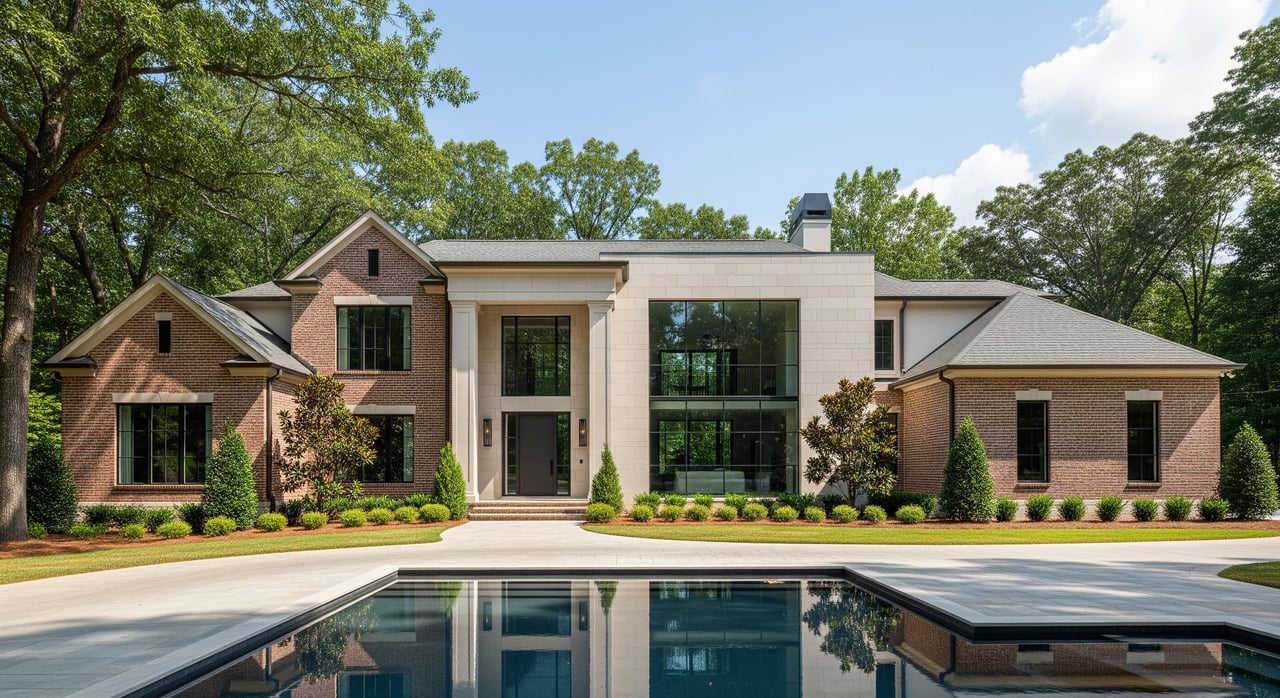
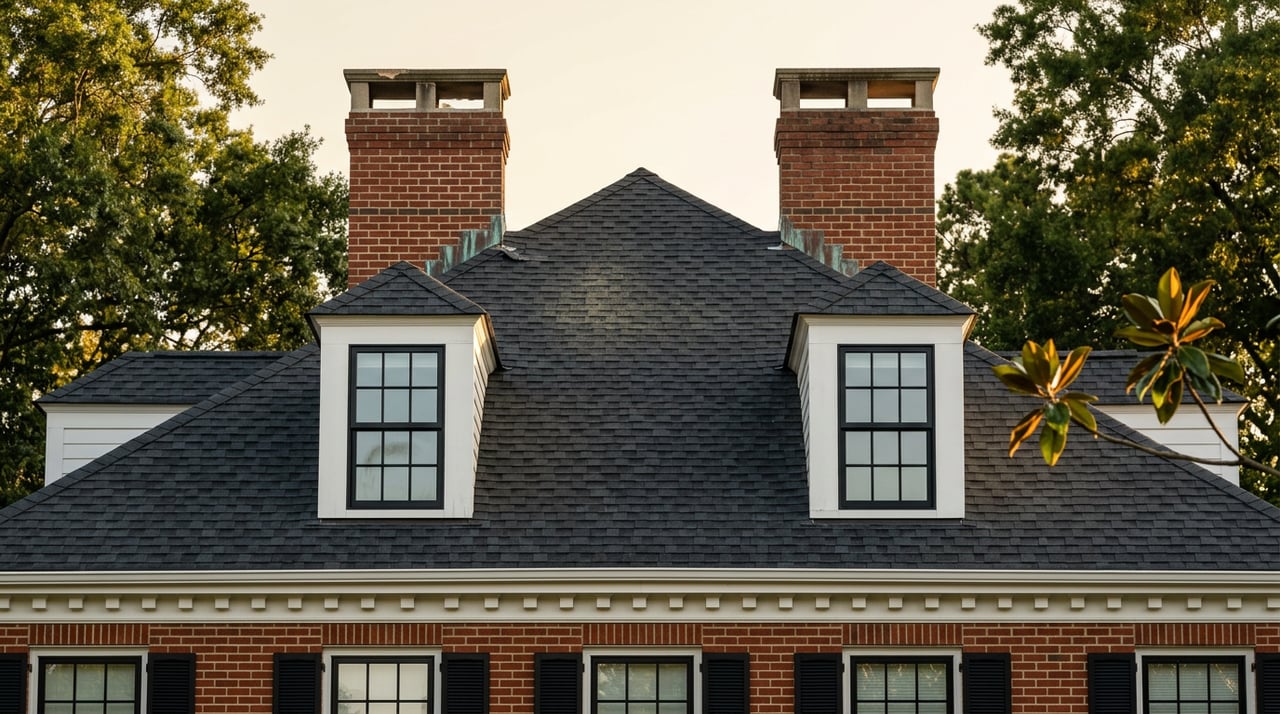
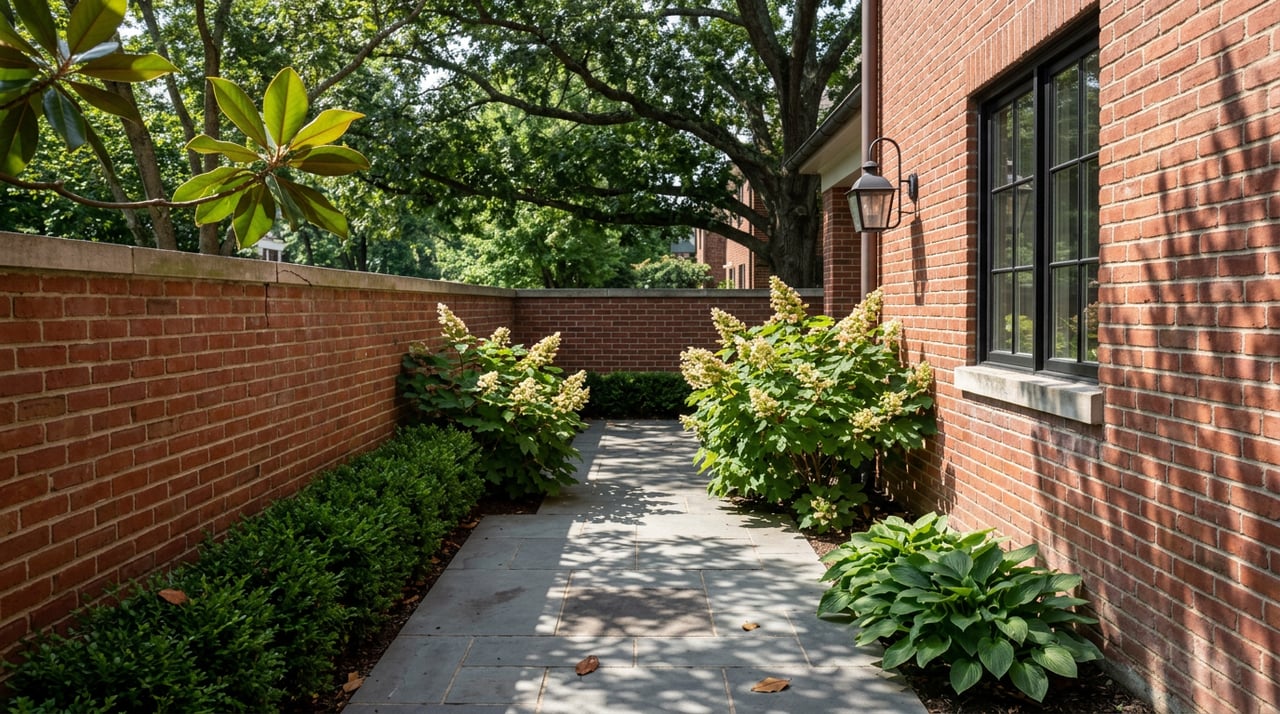
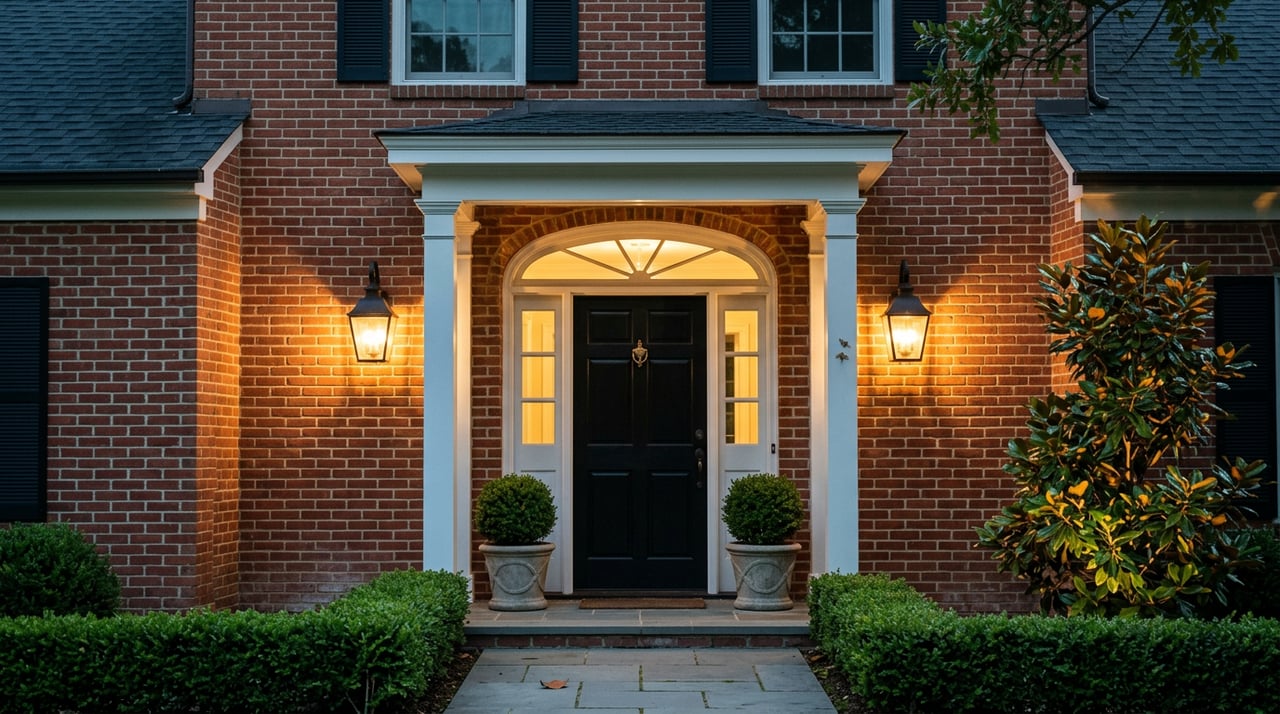
Torn between a shiny new build and a character-filled resale in Fairburn? You are not alone. Buyers across South Fulton weigh timelines, costs, and lifestyle fit before choosing. In this guide, you will see clear pros and cons for both options, plus checklists for inspections, financing, HOAs, and local factors that matter in Fairburn. By the end, you will know how to match your goals with the right home. Let’s dive in.
Fairburn market context that matters
Fairburn sits in southwest Fulton County and is part of the greater Atlanta metro. Growth has pushed new subdivisions into South Fulton and nearby counties, which expands your choices within a short drive of the city. You will find both newer communities and established neighborhoods within your search area.
Household sizes and age mix influence demand in this area. To get a feel for current demographics and trends, check the U.S. Census Bureau’s QuickFacts for Fairburn. You can use the high-level data in U.S. Census QuickFacts to frame your expectations as you compare home types.
Two local realities shape your decision:
- Permitting and inspections can affect new-build timelines. Processing times vary by market conditions and government workload. Always verify current timing with Fulton County or the City of Fairburn before you sign a contract.
- School assignments and commutes are important to many buyers. If schools or drive times matter to you, confirm boundaries and try your commute during peak hours.
New construction: what you gain and give up
New homes in production subdivisions or small infill projects bring modern features and lower first-year maintenance. Consider the trade-offs below.
Pros
- Modern layouts and energy-efficient systems that meet current codes, which may reduce early repair and retrofit costs.
- Personalization through builder options and finish packages when you buy early in the build cycle.
- Builder-backed coverage for workmanship, systems, and structure, subject to the specific warranty.
- Community amenities like trails, playgrounds, or clubhouses in many master-planned neighborhoods.
- Lower immediate maintenance since roof, HVAC, water heater, and appliances start new.
Cons
- Longer and less predictable timelines due to inspections, weather, materials, and subcontractor schedules.
- Early phases may lack mature landscaping and nearby conveniences.
- Builder-controlled contracts. You need to know what is included, what costs extra, and how changes are handled.
- HOA fees and future assessments can change as amenities are completed. Read the budget and reserve details before buying.
- Finish quality can vary. Plan for a punch-list and a proactive warranty walk-through.
Resale homes: what you gain and give up
Existing homes offer immediate occupancy and established surroundings. Expect the following advantages and watch-outs.
Pros
- Faster move-in and a known neighborhood feel with mature trees and visible traffic patterns.
- Real utility bills, tax history, and neighborhood data to help forecast your monthly costs.
- Potential room to negotiate price and terms, depending on market conditions.
- Architectural character in older areas that some buyers prefer.
Cons
- Repairs or updates may be needed right away, from roofs and HVAC to plumbing and electrical.
- Older systems can be less energy-efficient, which may increase operating costs.
- Deferred maintenance or hidden issues require thorough inspections.
- Limited personalization unless you plan and budget for remodeling.
Warranties: what to expect on a new build
Most production builders follow a common “1-2-10” pattern, though terms vary by builder. Typical coverage looks like this:
- About 1 year for workmanship and materials defects.
- About 2 years for major systems like electrical, plumbing, and HVAC.
- About 10 years for limited structural elements.
For background on common warranty structures, review industry guidance from 2-10 Home Buyers Warranty. Always read the actual warranty document, including exclusions and claim procedures, and submit requests in writing.
Inspections that protect you
A skilled inspector pays for themselves by finding issues before you close. Your strategy differs by property type.
New construction inspection plan
- Plan and spec review. Confirm materials, allowances, and included features match your contract.
- Pre-drywall inspection. Catch framing, electrical, plumbing, and insulation issues before walls close. See InterNACHI’s new construction inspection guidance for what pros look for.
- Final inspection and punch-list. Document cosmetic and functional items. Ensure systems work and manuals are provided.
- Warranty walk-through. About 11 months after closing, walk the home again to capture workmanship items within the first-year coverage.
- Site and drainage check. After heavy rain, look for standing water, erosion, or downspout discharge issues and report them promptly.
Resale inspection plan
- Full home inspection. Roof, foundation, HVAC, plumbing, electrical, exterior envelope, and drainage.
- Termite and WDO report. In Georgia, wood-destroying organism inspections are common. Learn the basics from the Georgia Department of Agriculture’s structural pest control resources.
- Septic and well systems. If applicable, schedule specialized testing.
- Older-home focus. Ask about the life expectancy of roof, HVAC, water heater, windows, and the electrical panel. Homes built before 1978 may have lead-based paint. Radon is less prominent here than in some regions, but consider testing based on location and home features.
Timelines and move-in planning
Your move-in date can be a major deciding factor.
- New construction. Production builds often take roughly 4 to 9 months once permitted. Custom builds can run 9 to 12 months or longer. Weather, supply chains, and inspections can shift dates. The National Association of Home Builders explains how schedules vary by scope and conditions. Get your builder’s schedule in writing with milestones and remedies.
- Resale. Most financed purchases close in about 30 to 60 days after contract acceptance, while cash deals can close faster if inspections and title clear quickly.
If your lease is ending or you need to sell before you buy, factor the timeline into your choice. A resale may suit a firm deadline, while a new build can work if you have flexibility.
Financing and builder incentives
Your loan and incentives can change the math.
- Construction-to-permanent loans. A one-time close that converts from a construction loan to a mortgage at completion. Understand draw schedules, inspections, and conversion terms. See the Consumer Financial Protection Bureau’s overview of construction and construction-to-permanent loans.
- Standalone construction loans. Interest-only during the build, then you refinance into permanent financing at completion.
- Builder preferred lenders. Builders often offer rate buydowns, closing-cost credits, or upgrade packages if you use their lender. Compare offers with an independent lender to see the true net benefit.
- Resale financing. Conventional, FHA, VA, and USDA options depend on property condition and your qualifications. Choose a lender experienced in Fulton County appraisals.
Incentives carry trade-offs. A credit might be tied to a higher base price or fewer included features. Get the final spec sheet and included options in writing.
HOAs and neighborhood maturity
Most new subdivisions create homeowners associations to manage amenities and standards. Before you buy, request and review:
- Covenants, bylaws, rules, and architectural guidelines.
- Current budget, financials, and reserve study if available.
- Recent meeting minutes and any pending litigation or special assessments.
For questions to ask and red flags to watch, the Community Associations Institute offers buyer-oriented resources at CAI’s website. In established neighborhoods, you may benefit from mature landscaping and proven drainage, but plan for potential maintenance tied to older infrastructure.
Local site and safety checks
Southern Fulton County’s varied topography means drainage planning matters. In new subdivisions, ask the builder to show the engineered stormwater plan and observe the lot after a heavy rain if you can. For any home, check FEMA’s map service for floodplain status on your specific property using the FEMA Flood Map Service Center.
If schools or commutes are important, verify current school assignments with the district and test your routes during peak times. Small changes in location can shift your daily experience.
Taxes, insurance, and surprises
- Property taxes. New construction is often reassessed upon completion, which can increase your tax bill compared with the builder’s placeholder estimate. Review Fulton County’s guidance on property taxes and ask for a projected assessment.
- Insurance. Newer systems typically fit standard policies. Older resales may need specific endorsements for older electrical or plumbing. If a property sits in a flood zone, your lender may require flood insurance.
How to decide: a simple framework
Use this quick framework to match your needs with the right path:
- Timeline. If you must move within 60 days, look at resales. If you have flexibility, new construction stays in play.
- Customization. If finish choices matter, buy a to-be-built or a spec home with upgrade options. Resales require remodeling to personalize.
- Budget stability. New builds reduce early repair surprises. Resales can offer lower upfront price with potential near-term maintenance.
- Neighborhood feel. Prefer mature trees and lived-in streets? Focus on resales. Want amenities and new infrastructure? Explore new subdivisions.
- Maintenance tolerance. If you want low-maintenance years one to five, new construction may fit. If you enjoy projects or plan to renovate, a resale can deliver value.
Your next steps
- Get preapproved and set your monthly budget.
- Decide your must-haves on timeline, layout, and location.
- If considering new builds, ask about build schedule, included features, and warranty terms in writing.
- If shopping resales, schedule thorough inspections and price out near-term replacements.
- Review HOA documents, budgets, and reserve data before you finalize your offer.
- Check flood maps and ask about drainage and grading.
If you want a local, education-first partner to walk you through the trade-offs in South Fulton, we are here to help. Reach out to The Maxwell Haus Residential Agency to compare specific neighborhoods, builder options, and resales that fit your goals.
FAQs
What is the biggest cost difference between new construction and resale in Fairburn?
- New builds often reduce early repair and energy costs due to new systems and current codes, while resales can have lower upfront prices but may require immediate updates or replacements.
How long does it take to build a new home in Fairburn?
- Production builds commonly take about 4 to 9 months once permitted and scheduled, but weather, inspections, materials, and labor can extend timelines; get the builder’s schedule and remedies in writing.
Do I still need a home inspection on brand-new construction?
What HOA documents should I review before buying in a new subdivision?
- Ask for covenants, bylaws, rules, current budget, and any reserve study, then scan recent meeting minutes for special assessments; see buyer resources from the Community Associations Institute.
How do builder incentives usually work in Fairburn?
- Builders may offer rate buydowns, closing-cost credits, or upgrades, often tied to using a preferred lender; compare the total package against outside lender offers.
Will property taxes be higher on new construction in Fulton County?
- New homes are typically reassessed at completion, which can increase taxes from the builder’s estimate; review Fulton County’s property tax guidance and request a projected assessment before closing.