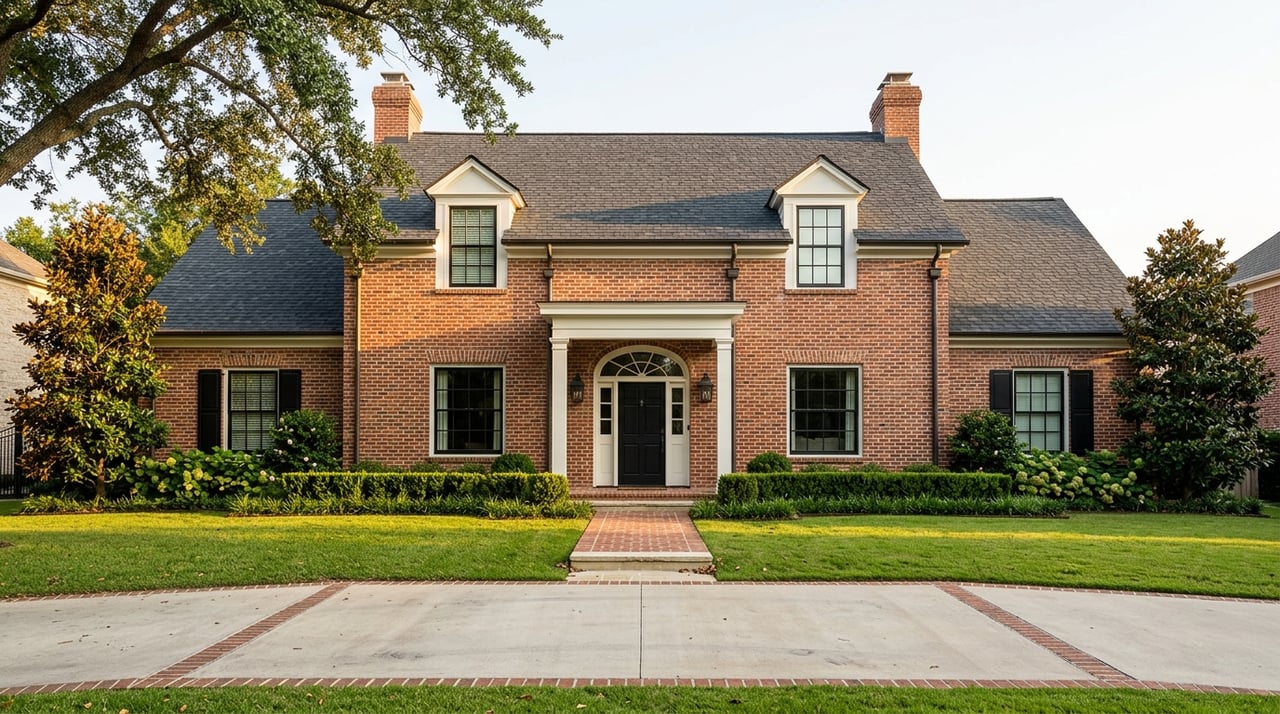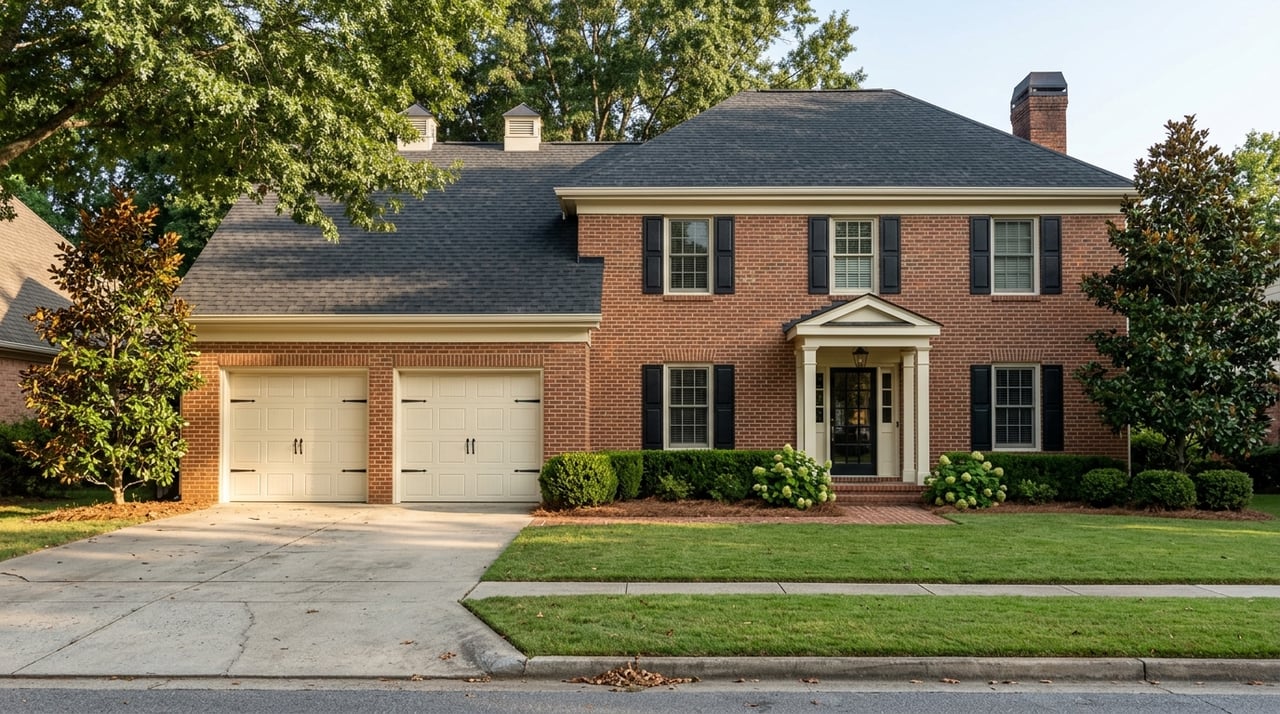
Search Fulton County homes for sale including luxury homes, new listings, and more with Maxwell Haus.
Fulton County offers a dynamic mix of city energy and suburban comfort, making it one of the most sought-after places to live in the Atlanta area. With Atlanta recently ranked as a top destination for remote workers, more people are choosing Fulton County for its flexibility, strong job market, and access to vibrant neighborhoods. Areas like South Fulton are seeing major growth, bringing new homes, local businesses, and opportunities for buyers looking to invest in a fast-evolving community.
Beyond its growth, Fulton County stands out for its focus on community development and long-term opportunity. Many neighborhoods are centered around building generational wealth through homeownership, while also encouraging civic engagement and local involvement. Whether you're looking for a modern home close to the city or a quieter space with room to grow, Fulton County offers a well-rounded lifestyle rooted in connection, progress, and possibility.
What is the housing market like in Fulton today? In February 2026, Fulton home prices were down 14.6% compared to last year, selling for a median price of $835K. On average, homes in Fulton sell after 23 days on the market compared to 11 days last year. There were 3 homes sold in February this year, down from 12 last year.
Median Sale Price
# of Homes Sold
Median Days on Market
Fulton County sits at the heart of the Atlanta metro area, offering convenient access to major highways, business hubs, and Hartsfield-Jackson Atlanta International Airport. Whether commuting daily or traveling frequently, residents benefit from strong connectivity across the region.
The housing market in Fulton County includes everything from modern condos to spacious single-family homes and new developments. With ongoing growth in areas like South Fulton, buyers have opportunities to enter a market with long-term value potential.
South Fulton is experiencing significant expansion, with new residential communities, retail spaces, and infrastructure projects shaping the area. This growth is attracting buyers looking for emerging neighborhoods with room for appreciation.
Atlanta has become a top destination for remote workers, and Fulton County reflects that shift. With flexible living options, reliable amenities, and access to urban and suburban environments, it supports a modern work-from-home lifestyle.
Fulton County places a strong emphasis on community development and civic engagement. Many neighborhoods encourage local involvement, creating a sense of connection and shared growth among residents.
Homeownership in Fulton County is often seen as a pathway to building long-term wealth. With a range of property types and price points, buyers can find options that align with both lifestyle goals and future financial stability.
Residents enjoy easy access to shopping centers, dining options, parks, and entertainment venues. From local favorites to well-known destinations, Fulton County offers convenience for daily living and leisure.
From vibrant urban areas to quieter suburban communities, Fulton County offers a variety of neighborhood styles. This diversity allows buyers to choose an environment that fits their pace, preferences, and long-term plans.
Building Wealth, Community, and Opportunity in Metro Atlanta
Fulton County is more than the economic engine of Georgia — it is a region where homeownership intersects with long-term wealth building, civic growth, and community development. From the heart of Atlanta to the established neighborhoods of North Fulton, buyers and homeowners alike benefit from understanding how the local market functions. Below are key questions designed to provide clarity for individuals and families seeking both opportunity and stability in Fulton County.
Fulton County anchors the Atlanta metropolitan area, home to Fortune 500 headquarters, a growing technology sector, major universities, and Hartsfield-Jackson Atlanta International Airport. This economic concentration drives consistent housing demand, supports property appreciation, and creates diverse opportunities for both primary homeownership and long-term investment.
The county offers significant diversity in housing inventory, including:
High-rise condominiums in Midtown and Buckhead
Historic homes in established Atlanta neighborhoods
New construction townhomes and planned communities
Suburban single-family residences in Alpharetta, Roswell, and Johns Creek
Luxury estates in Milton and North Fulton
This range allows buyers to align housing choices with lifestyle goals, financial strategy, and long-term wealth planning.
Property taxes are calculated based on 40% of a property’s assessed fair market value. The final tax bill reflects millage rates set by:
Fulton County
The applicable city (if within city limits)
The local school district
Primary homeowners may qualify for homestead exemptions, which can significantly reduce taxable value and support long-term affordability.
Fulton County is served by two primary public school systems:
Atlanta Public Schools (APS) for properties within Atlanta city limits
Fulton County Schools (FCS) for most communities outside the City of Atlanta
Both districts include magnet programs, charter schools, and specialized academic tracks, providing families with varied educational pathways.
Yes. Fulton County’s population growth, job creation, and infrastructure expansion support steady housing demand. Proximity to employment hubs, transportation corridors, and mixed-use developments strengthens rental and resale potential. Strategic purchasing in growth corridors or revitalizing communities can also contribute to generational wealth accumulation when approached thoughtfully.
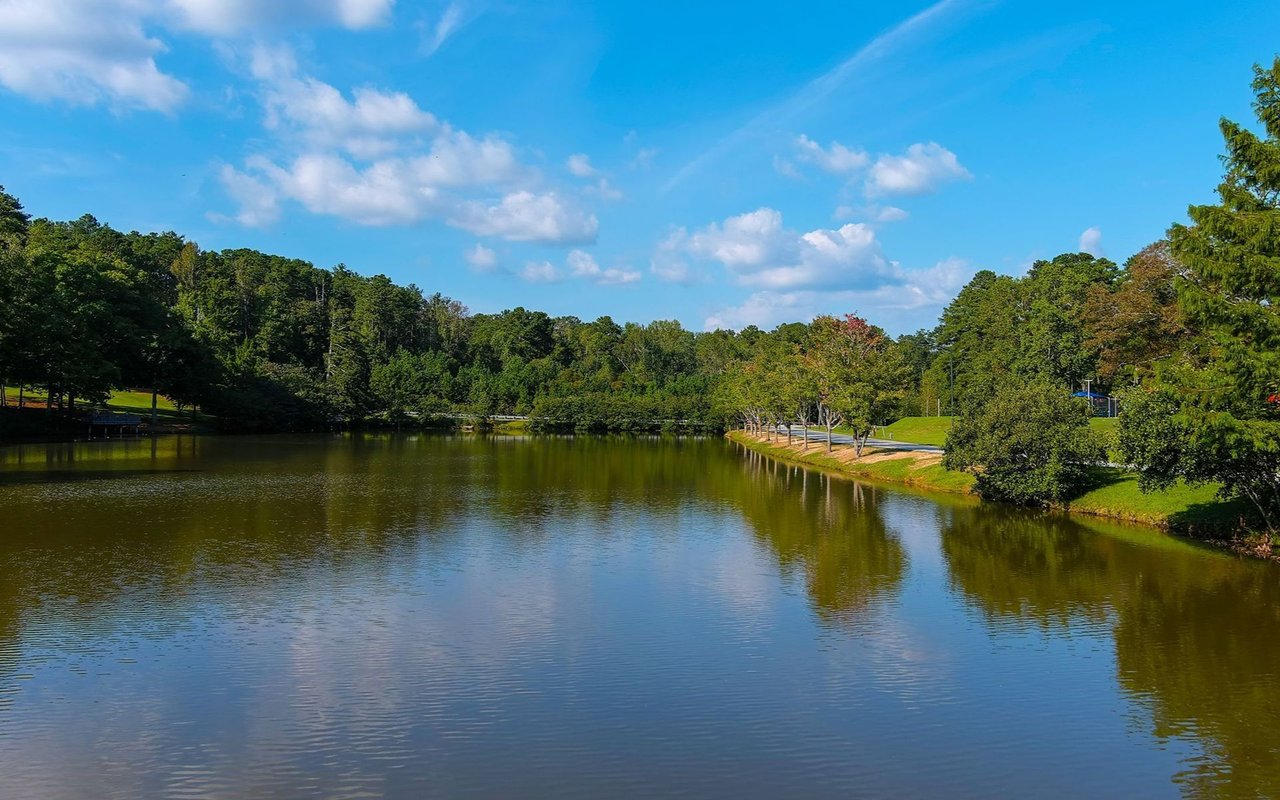
Home values vary widely by location:
Entry-level condos may begin in the mid-to-high $200,000s
Many suburban single-family homes range from $400,000 to $800,000
Luxury properties in Buckhead, Milton, and Johns Creek can exceed $1 million
Market conditions, neighborhood amenities, school zoning, and new development activity all influence pricing trends.
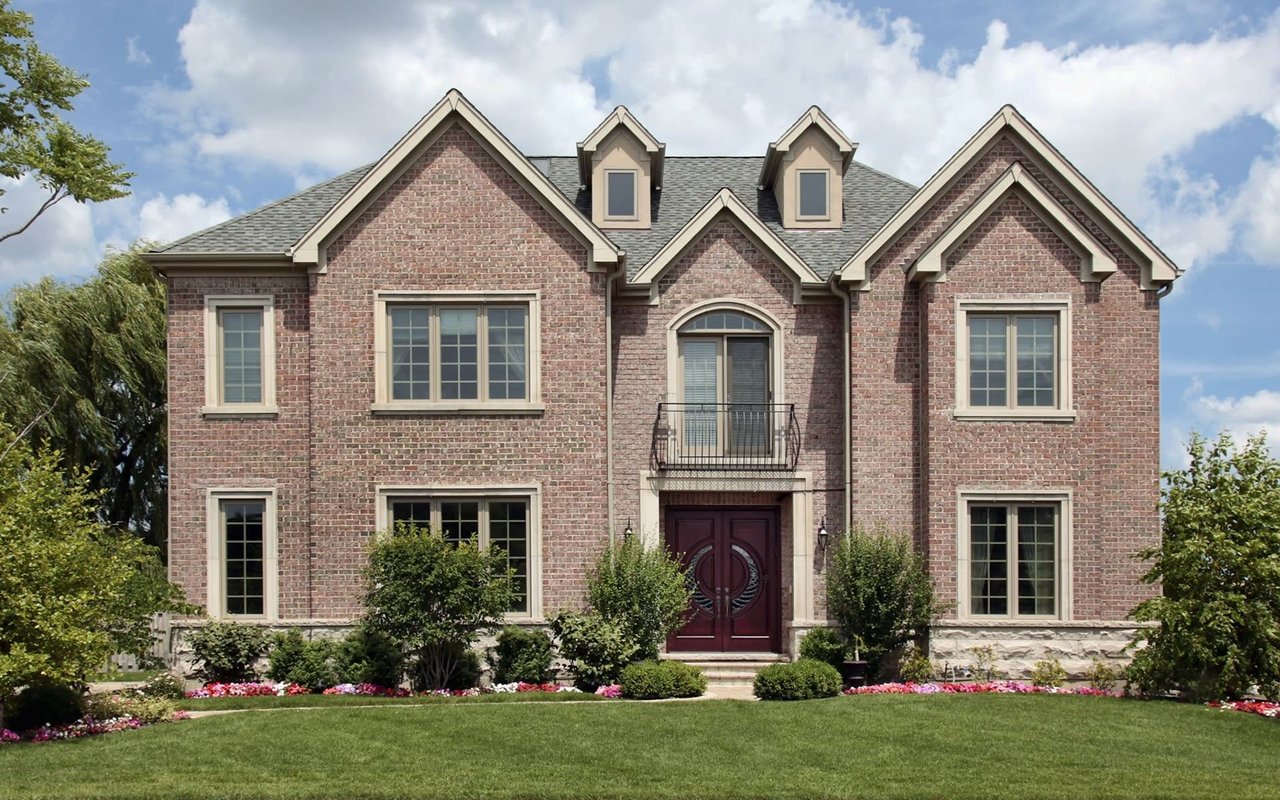
Fulton County blends economic access with cultural vibrancy and green space. Residents benefit from:
The Atlanta BeltLine and Chattahoochee River trails
Major arts, dining, and entertainment districts
Expanding mixed-use developments
Access to national and global travel
Diverse communities with strong civic engagement
For many households, Fulton County represents both lifestyle alignment and a strategic place to establish long-term roots.
Browse things to do, places to see, and landmarks to explore in Fulton County's top neighborhoods
Read the latest news, tips, and insights for the Georgia real estate market.
April 16, 2026
December 4, 2025
April 9, 2026
October 9, 2025
April 2, 2026
October 16, 2025
March 26, 2026
March 26, 2026
March 26, 2026
March 24, 2026
February 19, 2026
December 25, 2025
March 12, 2026
December 11, 2025
March 5, 2026
February 5, 2026
February 26, 2026
January 15, 2026
February 12, 2026
January 22, 2026
December 18, 2025
Ambria Hardy | October 17, 2025
Ambria Hardy | October 7, 2025
January 8, 2026
Lifestyle
September 25, 2025
Discover the Best Trails, Parks, and Activities in Chattahoochee Hills
January 1, 2026
October 30, 2025
October 23, 2025
November 27, 2025
November 27, 2025
October 30, 2025
November 21, 2025
November 6, 2025
Ambria Hardy | November 20, 2025
October 30, 2025
Community Development
Ambria Hardy | November 6, 2025
Preserving Equity, Preparing for Opportunity
Ambria Hardy | August 15, 2025
Academic performance and property value are more connected than most people realize.
Home Maintenance
Ambria Hardy | October 30, 2025
Unlock Energy Savings
Ambria Hardy | October 23, 2025
Real Estate
October 9, 2025
Essential Inquiries for Homebuyers at Atlanta Open Houses
Blending strategic expertise with a passion for community impact, this team delivers more than just transactions. With a focus on education, innovation, and equity, clients are empowered to build wealth, make informed decisions, and thrive in every stage of their real estate journey.