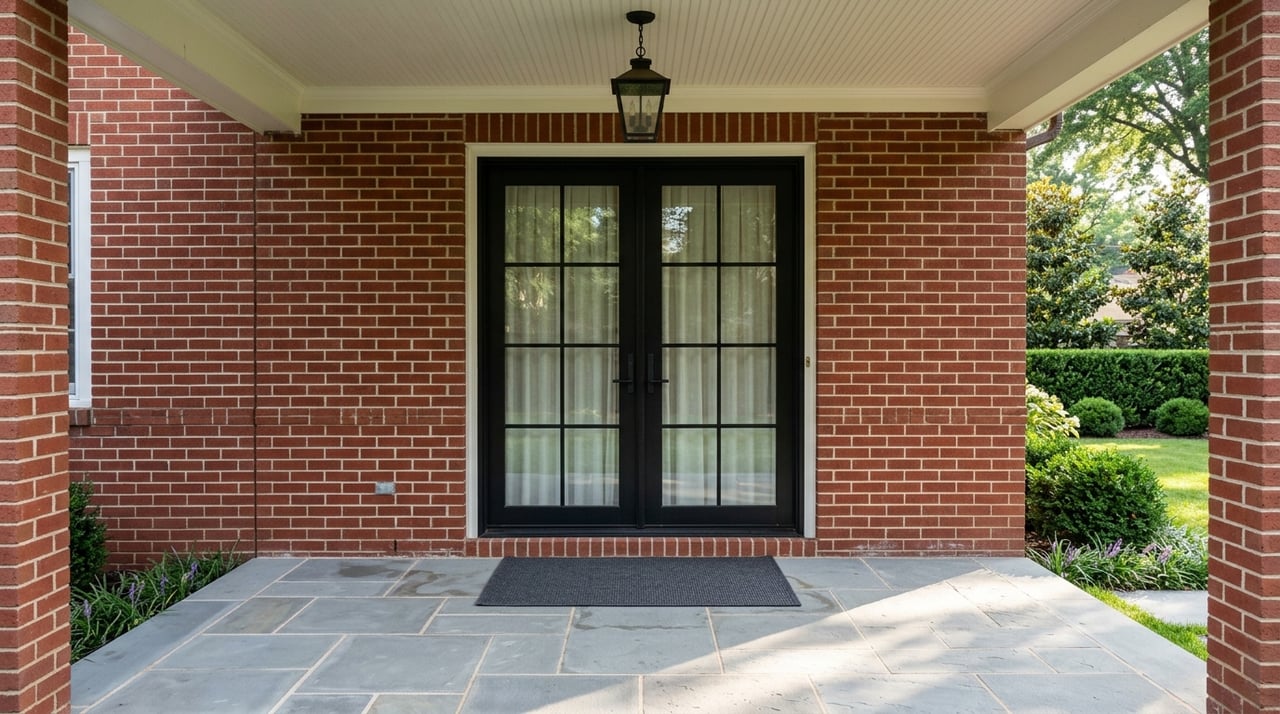
Should You Sell Or Rent Your Fairburn Home?
June 11, 2026
June 11, 2026
Wondering whether you should cash out or keep your Fairburn home as a rental? It is a common question, especially when you are balancing equity, monthly costs, and the long-term value of owning property in a growing South Fulton market. The right answer depends on your numbers, your timeline, and how much responsibility you want to keep after you move. Let’s break down what the Fairburn data suggests so you can make a confident decision.
Fairburn is a smaller South Fulton market with steady growth and a mix of owners and renters. Census estimates put the city at 17,267 residents in 2024, with about 57.7% of housing units owner-occupied. The City of Fairburn’s 2024 housing analysis also points to a rising renter base, with renter households projected to grow from 1,560 in 2010 to 3,096 in 2024.
That matters if you are deciding whether to hold your home. A growing renter population can support rental demand, while continued population growth can also support resale activity. The city analysis projects population growth of 8.1% from 2024 to 2029, with demand coming from both younger adults and older households.
Fairburn’s location also plays a role in demand. The city’s housing analysis notes that I-85 gives access to Atlanta in roughly 24 to 45 minutes depending on traffic and connects to Hartsfield-Jackson Atlanta International Airport and South Atlanta. For many buyers and renters, that convenience is part of the appeal.
Current pricing data shows Fairburn in a middle-market range, but it is important to read the numbers with context. Zillow’s current figures show an average home value of $323,357, a median sale price of $306,433, and a median list price of $331,717. Homes are going pending in about 29 days.
On the rental side, Zillow reports an average rent of $2,054, which is up 2.5% year over year. Census figures show a lower median gross rent of $1,589, but that is normal because survey-based data often trails current market conditions. Even with different sources, the bigger takeaway is clear: Fairburn supports both resale and rental activity.
Selling can be the stronger move if you want to unlock equity now and move on with a clean break. If your home needs repairs, updates, or ongoing maintenance, a sale may protect you from future costs and the responsibilities that come with being a landlord. It can also free up cash for your next purchase, savings goals, or debt reduction.
The local resale market is active, but it is not a guaranteed bidding-war environment for every property. Zillow shows 201 homes for sale, 57 new listings, a median sale-to-list ratio of 0.996, and 55.6% of sales closing under list price. That means buyers are still in the market, but pricing and presentation matter.
Another local factor is new construction. Fairburn has several newer single-family and townhome communities, many built in 2020 or later, with prices ranging roughly from $290,000 to $516,000 and builder incentives in play. If your home is older or needs work, it may face stronger competition from move-in-ready homes unless you prepare it well before listing.
Renting can make sense if your home is in good condition, your mortgage payment is manageable, and you are thinking long term. Fairburn’s growing renter base and commuter access can support a rental strategy, especially for owners who want to keep an appreciating asset in South Fulton. If your loan terms are favorable, the property may work better as a hold than as a quick exit.
That said, gross rent is not the same as cash flow. Using Zillow’s average rent of $2,054 and average home value of $323,357, the implied gross rent yield is about 7.6% before expenses. The Census medians produce a similar result, but neither number includes mortgage payments, taxes, insurance, vacancy, repairs, HOA dues, or property management.
The Census data offers another useful reality check. Median selected monthly owner costs with a mortgage are $1,568, while median gross rent is $1,589. In plain terms, that suggests a typical Fairburn rent may not leave much room once landlord costs are added.
One of the biggest mistakes homeowners make is assuming their tax picture will stay the same after they move out. In Fulton County, homestead exemptions apply to owner-occupied primary residences and are not granted on rental property. The exemption remains in place only while you continually occupy the property under the same ownership.
Fulton County’s FY2026 budget keeps the county general fund property tax rate at 8.87 mills. If you convert your Fairburn home into a rental, losing owner-occupant tax relief can change your monthly math. That is why a close sell-or-rent decision should include a tax review with a CPA or tax preparer before you commit.
Renting out a home is not passive if you are the one responsible for the property. Georgia’s Landlord-Tenant Handbook says residential landlords must keep units in good repair and safe and habitable, maintain the structure and building systems, and use the court dispossessory process instead of self-help evictions. Those rules create both time and compliance responsibilities.
The handbook also states that security deposits are generally capped at two months’ rent and typically must be returned within 30 days. It also outlines move-in and move-out inspection rules for some landlords who own more than 10 units or use a management agent. While every owner’s situation is different, the larger point is simple: renting comes with obligations, not just income.
Another key point from Georgia’s handbook is that there is not a government agency that steps in to force either side to act in a landlord-tenant dispute. In many cases, enforcement runs through the courts. If you do not want to manage repairs, notices, and possible disputes, that non-financial cost should carry real weight in your decision.
If you are on the fence, start with the numbers and then move to the lifestyle question. You want to compare what you would walk away with from a sale against what you would realistically keep from renting after expenses. That side-by-side view usually brings the answer into focus.
Factor in:
Factor in:
Ask whether converting the home into a rental means losing your homestead exemption or other owner-occupant tax relief. That change can affect your long-term holding costs more than many owners expect.
Ask yourself whether you are truly ready to manage the property or pay someone else to do it. If the answer is no, selling may be the simpler and stronger option.
For many Fairburn homeowners, the answer comes down to net value and readiness. Selling often makes more sense when you want equity now, your home needs work, or your projected rental return looks thin after taxes and expenses. Renting tends to make more sense when the property is in good shape, the numbers still work after real-world costs, and you are prepared for the responsibilities of ownership from a distance.
In this market, there is no one-size-fits-all answer. Fairburn shows signs of both buyer demand and renter demand, but new construction competition, tax treatment, and landlord obligations can quickly shift the math. If you want a local, property-specific strategy for your next move, The Maxwell Haus Residential Agency can help you evaluate your home’s resale potential and your best path forward.
Stay up to date on the latest real estate trends.




Blending strategic expertise with a passion for community impact, this team delivers more than just transactions. With a focus on education, innovation, and equity, clients are empowered to build wealth, make informed decisions, and thrive in every stage of their real estate journey.
Love my Website Design? Want one of your Own?