Leave a Message

Thank you for your message. I will be in touch with you shortly.

Stop The Leaks: Air & Duct Sealing For Atlanta Homes

October 16, 2025

Is your AC running nonstop but certain rooms still feel sticky or warm? You are not alone. In Atlanta’s heat and humidity, small leaks in your home and ducts can quietly waste cooled air and push your bills higher. In this guide, you will learn how air and duct sealing work, what to expect, and how to use local rebates and tax credits to lower your costs. Let’s dive in.

Why leaks cost Atlanta homeowners

Atlanta sits in a hot, humid climate where cooling dominates most of the year. According to the U.S. Department of Energy, Atlanta is in Climate Zone 3A, which means humidity control is as important as temperature control for comfort and efficiency (DOE overview of Climate Zone 3A). When conditioned air leaks out, humid air leaks in, and your system runs longer to keep up. That can show up as sticky rooms, uneven temperatures, and higher utility bills.

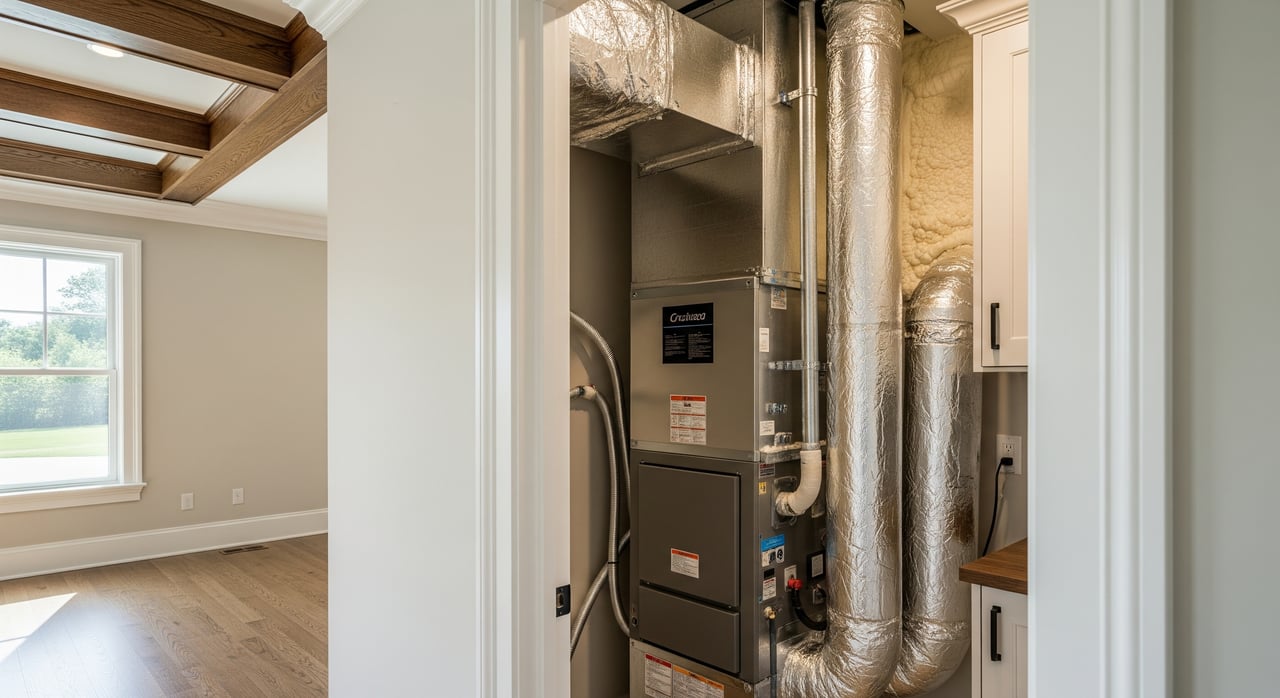
Leaky ducts are a big culprit in many Atlanta homes. ENERGY STAR notes typical duct systems can lose about 20 to 30 percent of conditioned air to leaks, especially when ducts run through hot attics or vented crawlspaces (ENERGY STAR duct sealing basics). Sealing the envelope and ducts reduces wasted air, lowers the moisture load, and improves comfort.

What air and duct sealing do

Air sealing closes gaps and cracks in your home’s envelope so conditioned air stays in and outdoor air stays out. Common targets include the attic hatch, recessed lights, top plates, plumbing and wiring penetrations, and rim joists (ENERGY STAR attic air sealing steps). Duct sealing repairs leaks at seams and joints, reconnects loose sections, and adds insulation when ducts run in unconditioned spaces.

In Atlanta’s climate, reducing leaks also helps manage moisture. Limiting uncontrolled airflow cuts heat gain and moisture intrusion from the attic and roof assemblies (Building America guidance on reducing heat gain). After major tightening, you may need to confirm your HVAC or a dehumidification strategy is set up correctly for comfort.

How pros find and fix leaks

Qualified contractors use diagnostics to target work and verify results.

  • Blower door test: A calibrated fan measures whole‑house leakage and helps crews find and seal air pathways (DOE blower door test basics).
  • Duct leakage test: Measures how much air escapes from your supply and return ducts so you can compare pre and post results.
  • Combustion safety: If you have naturally vented gas appliances, pros test before and after air sealing to prevent backdrafting and safety issues (ENERGY STAR on combustion safety and sealing).

What you will see on site often includes caulking and foam around penetrations, gaskets for the attic hatch, mastic and UL‑rated tape on duct joints, and repairs to disconnected or damaged sections.

Signs your home may need sealing

  • Rooms that never feel cool or have hot spots during summer.
  • High or rising cooling bills compared to past seasons.
  • Dusty or dirty attic insulation, which can show airflow pathways.
  • Ducts running through a hot attic or vented crawlspace.
  • A system that cycles constantly or a return grille that is unusually noisy.

Rebates, credits, and local programs

You may be able to reduce your out‑of‑pocket costs with utility rebates and federal tax credits.

  • Georgia Power rebates: The Home Energy Improvement Program offers rebates for duct sealing and air sealing, typically up to set caps when work is completed by a participating contractor and documented properly. Check current terms and caps on the program page (Georgia Power HEIP details).
  • Georgia’s Home Energy Rebates: State rebates can help with insulation and air sealing, with higher rebates for eligible income tiers. Program details and contractor participation evolve as rollout continues (Georgia Home Energy Rebates portal).
  • Weatherization Assistance Program: Income‑qualified households can access whole‑home weatherization that often includes air and duct sealing (GEFA Weatherization Assistance Program).
  • Federal tax credits: The Energy Efficient Home Improvement Credit may cover a portion of air sealing and insulation materials and certain audits, subject to annual caps and rules. Review the IRS page and save all documentation (IRS Energy Efficient Home Improvement Credit).

Bring this up early when you are planning the project. Most programs require specific documentation, including pre and post test results and itemized invoices.

Costs and timelines in Atlanta

Project costs vary by home size, access, and how much sealing is needed.

  • Duct sealing: Many Atlanta homes fall in the ballpark of a few hundred dollars for smaller manual sealing jobs to over a thousand for complex systems. Aerosol sealing options tend to cost more and include verified pre and post results.
  • Air sealing and insulation: Basic attic hatch and small‑gap sealing can be a few hundred dollars. Comprehensive attic air sealing paired with added insulation often runs into the low thousands.

Diagnostics usually take 1 to 3 hours. Many retrofit sealing jobs finish in 1 to 2 days. Larger homes or projects that include repairs, insulation upgrades, or combustion work can take longer.

Choose the right contractor

The right partner makes the process smoother and the results stronger. Look for:

  • Program participation: Contractors approved by Georgia Power or the state rebate program help you qualify for incentives and handle paperwork.
  • Credentials and testing: Ask for blower door and duct leakage testing before and after, plus combustion safety checks when gas appliances are present.
  • Clear scope and warranty: Request a written scope, methods used, locations sealed, and warranty terms. Keep all reports and invoices for rebates and tax credits.

Simple checklist to get started

  • Schedule a home energy assessment with blower door and duct testing.
  • Prioritize sealing the attic plane and any ducts in unconditioned spaces.
  • Confirm combustion safety testing if you have gas appliances.
  • Discuss humidity control or dehumidification after tightening.
  • Line up rebates and credits, and save all documentation.

Make it count when you sell

Comfort and lower utility costs are benefits you enjoy right away, and they are helpful at resale too. Keep your pre and post test results and utility bills to show buyers the measurable impact of your upgrades. A tighter, well‑documented home can stand out in Atlanta’s summer showing season.

Ready to plan smart improvements that support comfort, lower bills, and long‑term value in South Fulton and across Atlanta? Reach out to the local team that loves educating homeowners and building stronger neighborhoods. Connect with The Maxwell Haus Residential Agency to get personalized guidance for your home.

FAQs

What is the difference between air sealing and duct sealing in an Atlanta home?

  • Air sealing targets gaps in your home’s envelope, while duct sealing fixes leaks in the HVAC ducts so cooled air reaches your rooms instead of the attic or crawlspace.

How much can Atlanta homeowners save after air and duct sealing?

  • Savings vary by home, but sealing reduces wasted air and runtime; ENERGY STAR cites ducts often losing 20 to 30 percent of air, so fixing leaks can deliver meaningful efficiency gains.

Are there rebates for air and duct sealing for Georgia Power customers?

  • Yes, Georgia Power’s program offers rebates for qualifying air sealing and duct sealing work when completed by participating contractors and properly documented.

Will sealing my home make it too tight or affect indoor air quality?

  • Done correctly, sealing improves comfort and efficiency; pros also perform combustion safety tests and can recommend controlled ventilation or dehumidification if needed.

How long does air and duct sealing typically take in Atlanta?

  • Most homes complete diagnostics and sealing in 1 to 2 days, with larger or more complex projects taking longer.

Should I air seal before adding attic insulation in a hot, humid climate?

  • Yes, seal first so insulation performs as designed and to reduce moisture infiltration before you add more insulation.

Partner in Possibility

Blending strategic expertise with a passion for community impact, this team delivers more than just transactions. With a focus on education, innovation, and equity, clients are empowered to build wealth, make informed decisions, and thrive in every stage of their real estate journey.

Love my Website Design? Want one of your Own?

Click Here