
Pre Listing Repairs in South Fulton, GA That Really Pay Off
December 11, 2025
December 11, 2025
Thinking about selling in South Fulton and wondering which repairs actually move the needle? You are not alone. Most buyers form opinions from photos first, then curb appeal and condition seal the deal during showings. In this guide, you will learn which fixes deliver the most value, how much they typically cost, and how to plan the work so your home shines on day one. Let’s dive in.
South Fulton buyers range from first-time homeowners to move-up families and investors. Across price points, buyers value clean, move-in ready homes and low maintenance over luxury finishes. Online listing photos matter a lot, so anything that boosts brightness and freshness pays off in showings and offers.
Your neighborhood’s recent comparable sales set your price ceiling. Cosmetic updates help most when nearby homes of similar age and size show better condition. HOA rules, lot size, and commute access also shape buyer priorities, so align your plan with your micro-market.
Before you choose projects, complete these local checks:
Focus on low to moderate cost items that improve first impressions, photos, and perceived condition. These are the usual winners for South Fulton listings.
A light, neutral palette makes rooms feel larger and photographs brighter. Typical cost for whole-home interior paint is about $1,500 to $5,000 depending on size, with touchups costing less. Paint delivers strong buyer appeal and helps your home stack up well against nearby comps.
Replace worn carpet or refinish tired hardwood in high-traffic spaces. Luxury vinyl plank or laminate often installs at roughly $2 to $6 per square foot. If you are on a tight budget, prioritize entryways, living areas, and the kitchen to upgrade first impressions without a full-house overhaul.
Updated fixtures and daylight-balanced LED bulbs make photos pop and rooms feel more modern. Expect $75 to $400 per fixture installed, depending on style and complexity. Add task lighting in kitchens and baths to reduce shadows in photos and during showings.
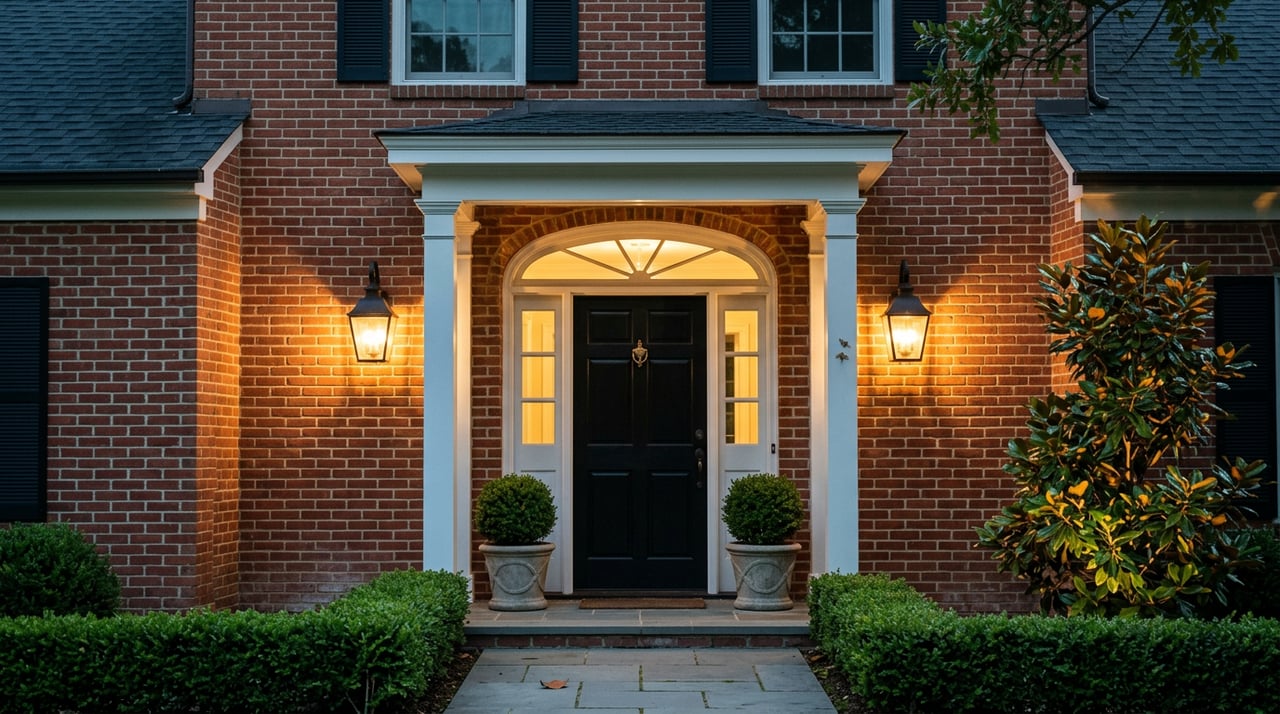
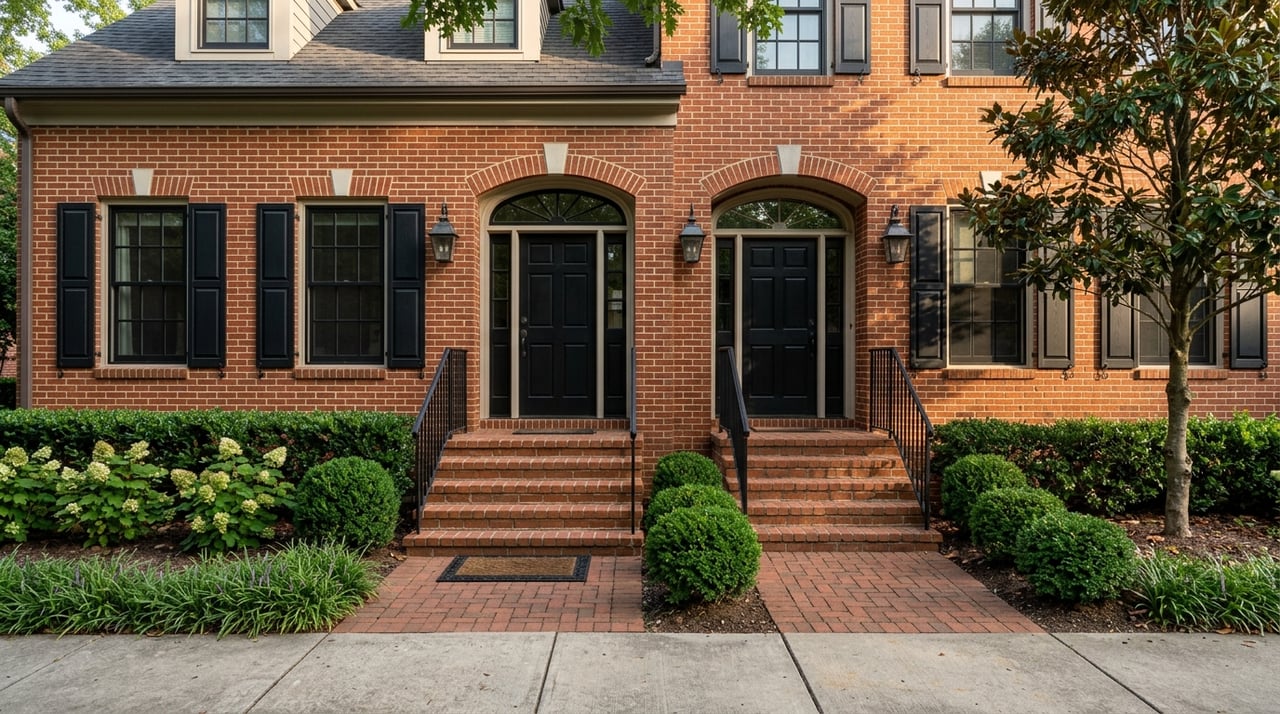
A tidy front yard, fresh mulch, trimmed hedges, and a painted front door can change buyer perception for a few hundred dollars. Consider visible exterior touchups like shutters, house numbers, and the mailbox. In many neighborhoods, a new garage door is one of the best percentage recoup projects because it dominates the facade.
You do not need a full remodel to impress. Swap cabinet hardware, regrout and recaulk, reglaze a worn countertop, or replace a dated faucet. Small refreshes often run from a few hundred to a few thousand dollars. Plan larger updates only when nearby comps support higher pricing.
Have the HVAC serviced, clear gutters, and get a roof check if you have concerns. Documentation reduces buyer objections and minimizes appraisal or lender red flags tied to deferred maintenance.
A spotless, decluttered home with neutral scents outperforms similar homes that feel busy or musty. Schedule professional photos right after cleaning and staging so the online debut captures your home at its best.
Smaller exterior and cosmetic projects typically recoup a higher share of cost than large remodels in the Southeast. Appraisers look to recent comps and visible condition, so aligning your home’s condition with the best nearby sales can help your contract price hold through appraisal.
Save major remodels for cases where comps clearly support the jump in price. Over-improving beyond neighborhood expectations often lowers your return. Match the quality of finishes to what buyers expect on your street and within your price tier.
Use this plan to move from quick wins to targeted upgrades.
Start with a comparative market analysis to set a price target and avoid over-spending. As a rule of thumb, a small cosmetic refresh often runs about 0.5 to 1.5 percent of the expected list price. A moderate refresh that includes flooring and targeted kitchen or bath updates can run 1 to 3 percent.
Run a net proceeds scenario before you start. Estimate the likely price uplift, subtract the cost of repairs, and include carrying costs like mortgage, taxes, and utilities while work is underway. Keep a 10 to 20 percent contingency for surprises like hidden plumbing or subfloor issues.
For contractor management:
Appraisers rely on recent comps and visible condition. Cosmetic improvements help position your home alongside the best nearby sales. Address leaks, roof issues, and inoperable systems before listing to avoid lender or appraiser concerns about marketable condition.
Minor cosmetic work like painting or fixture swaps usually does not require permits. Electrical, plumbing, HVAC changes, structural work, and major exterior modifications often do. Check City of South Fulton and Fulton County rules before you start, and keep permits and final inspection documents on file.
Georgia sellers must disclose known material defects. Cosmetic updates do not remove that duty. If you complete repairs, document who did the work, what was done, and whether permits and inspections were finalized. Clear documentation reduces friction during inspections and underwriting.
Some buyers use FHA, VA, or certain conventional loans that have minimum property condition standards. Common lender-required repairs include unsafe electrical conditions, roof leaks, and significant water damage. Address these items up front to keep financing on track and avoid losing a qualified buyer.
You do not have to guess which projects to tackle. Our broker-led team pairs neighborhood-level comps with a practical repair plan tailored to your home and timeline. We coordinate valuation, repair scope, and contractor referrals and help you choose cost-smart updates that support your price target.
Here is what you can expect:
Ready to see your options? Get your next steps and a pricing estimate by connecting with The Maxwell Haus Residential Agency.
Stay up to date on the latest real estate trends.
Blending strategic expertise with a passion for community impact, this team delivers more than just transactions. With a focus on education, innovation, and equity, clients are empowered to build wealth, make informed decisions, and thrive in every stage of their real estate journey.
Love my Website Design? Want one of your Own?