Fairburn Home Inspection Guide for Buyers and Sellers
June 4, 2026
June 4, 2026
Buying or selling in Fairburn? A home inspection can either protect your budget or surprise you at the worst possible time. In a city with both long-established homes and newer communities, inspection issues can look very different from one property to the next. This guide will help you understand what inspections usually cover, which local red flags matter most, and how to prepare for the next step with confidence. Let’s dive in.
Fairburn has a mix of older housing and newer construction, and that matters during inspection. The city dates back to the 1800s, and its downtown includes historic buildings, while newer single-family and townhome communities have also been added in recent years.
That means one home may raise questions about age, deferred maintenance, or older materials, while another may show new-build concerns like grading, settlement, or incomplete finish work. A solid inspection strategy starts with understanding the age and condition of the specific property, not assuming all homes carry the same risk.
In Georgia, a home inspection is a visual inspection of a home and certain listed components. State law says the inspection can include areas like the grounds, roof, exterior, garage or carport, structure, attic, basement or crawl space, electrical system, heating and air systems, plumbing, on-site sewerage disposal, fireplace, kitchen, and appliances.
Georgia law also requires a written document that explains the scope of the inspection. The inspector must report defects in writing and may recommend further evaluation by specialists when needed. That written report often becomes the key document buyers and sellers use during due diligence.
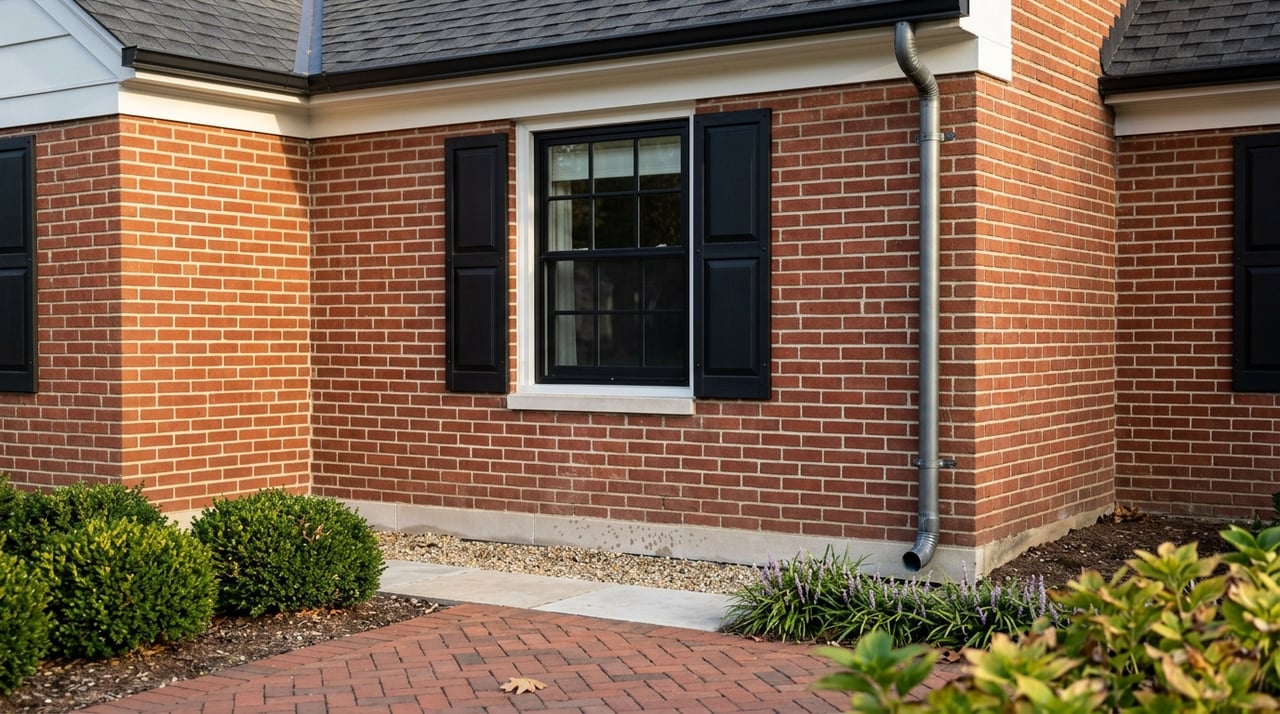
In Georgia, heavy clay soils can hold moisture, and poor drainage can create wet-soil problems around a home. In practical terms, that makes water management one of the biggest inspection themes for Fairburn buyers and sellers.
When you review a property, pay close attention to grading, gutters, downspouts, and where water moves after a rain. Foundation cracks, damp crawl spaces, musty odors, mold, and signs of water damage deserve a closer look because moisture problems often spread beyond the spot where they first appear.
If you are buying, look for clues that water is not moving away from the house properly. Even a well-kept home can have drainage issues that affect the crawl space, foundation, or exterior materials over time.
Common warning signs include:
If you are preparing to sell, moisture issues are worth addressing before your home hits the market. Small maintenance items can become larger negotiation points once they appear in a written inspection report.
Before listing, it helps to:
Subterranean termites are a normal part of soil around buildings in Georgia, and infestation risk is influenced by construction, maintenance, landscaping, and local conditions. That is why termite concerns are not a minor side note during a Fairburn transaction.
If an inspector notes wood damage, shelter tubes, or moisture near wood members, take that seriously. Buyers may want treatment records, repair estimates, and reinspection, while sellers should be ready to share any prior termite treatment documentation they have.
It is easy to assume a newer Fairburn home will have few issues, but that is not always the case. Fairburn’s recent housing analysis points to multiple newer communities, and newer homes can still show punch-list problems, grading concerns, settlement cracks, or finish defects.
A newer home may not carry the same risks as an older property, but it is not inspection-proof. Buyers should still pay attention to drainage, HVAC performance, electrical details, plumbing function, and signs that final repairs or touch-ups were never fully completed.
With older homes, the inspection focus often shifts. Instead of just cosmetic items, you may be looking more closely at wear over time, prior repairs, outdated systems, and possible older-material concerns.
For homes built before 1978, lead-based paint can become part of the conversation, especially if renovation or repair work may disturb painted surfaces. If the home is older or appears to have older layers beneath newer finishes, it may be smart to ask more questions before moving forward with repairs or updates.
Mold often starts with moisture, not just poor housekeeping or isolated staining. Common causes include plumbing leaks, roof leaks, flooding, high humidity, and water collection in crawl spaces or basements.
That is why a stained ceiling is only part of the story. During inspection, attic ventilation, flashing, bath and kitchen exhaust, and crawl-space moisture control all matter because they help explain whether the problem is active, recurring, or likely to spread.
If mold is suspected, Georgia does not license mold professionals. That makes it especially important to vet the scope of work and the qualifications of anyone you hire for further review or cleanup.
In Fairburn, many repairs require permits, including structural alterations and most trade work beyond minor homeowner repairs. The city uses Georgia State Minimum Standard Codes, and work done without the proper permit can lead to penalties, stop-work orders, citations, or even removal of violating work.
This matters because inspection negotiations do not end with agreeing to a fix. If the repair should have been permitted, buyers and sellers may also need to confirm that the work was done legally and that any required city approval was completed.
Whether you are buying or selling, paperwork can make an inspection conversation much smoother. It helps support the condition of the home and shows whether major work was handled correctly.
Useful records may include:
Not every Fairburn property has flood risk, but parcel-level checks are still smart for homes near streams, low spots, or drainage corridors. The official flood-hazard source is FEMA’s Flood Map Service Center, and Fairburn’s GIS property viewer also includes a floodplain feature layer.
For buyers, this is part of due diligence. For sellers, knowing whether your parcel shows any floodplain overlap can help you answer questions early and avoid delays later.
The inspection report often becomes the factual basis for next steps in a Georgia transaction. Depending on what it shows, a buyer may ask for repairs, request a credit, seek specialist follow-up, or decide not to move forward.
The issues most likely to affect negotiations are usually the ones tied to safety, active water intrusion, termite damage, failed major systems, or work that appears incomplete or unpermitted. Cosmetic items matter, but they usually carry less weight than defects that affect function, cost, or risk.
If you are buying in Fairburn, your best move is usually to treat the general inspection as a screening tool. When an inspector flags a concern, the next step is often a specialist who can define the scope and cost more clearly.
That may include follow-up for:
If you are selling, a smoother transaction often starts before the listing goes live. The more organized you are, the easier it is to answer buyer concerns with facts instead of guesses.
A practical pre-list plan may include:
The best inspection strategy is not fear. It is preparation. In Fairburn, that means recognizing that older homes and newer homes come with different kinds of risk, and that moisture, termites, drainage, and permit verification deserve close attention.
When you understand what an inspection is designed to do, you can make clearer decisions and avoid expensive surprises. Whether you are buying your first home, moving up, or preparing to sell, a well-managed inspection period gives you leverage, clarity, and a stronger path forward.
If you want broker-led guidance on buying or selling in Fairburn, The Maxwell Haus Residential Agency can help you build a smart plan before inspection issues turn into costly delays.
Stay up to date on the latest real estate trends.






Blending strategic expertise with a passion for community impact, this team delivers more than just transactions. With a focus on education, innovation, and equity, clients are empowered to build wealth, make informed decisions, and thrive in every stage of their real estate journey.
Love my Website Design? Want one of your Own?