Historic And New Fairburn Homes: Architectural Styles Explained
May 21, 2026
May 21, 2026
Wondering why one Fairburn home has a deep front porch and decorative trim while another feels simple, low, and suburban? If you are buying, selling, or simply trying to understand what gives Fairburn its visual character, the answer often comes down to where the home sits in the city and when it was built. This guide breaks down the most common historic and newer home styles you are likely to see in Fairburn, along with the plain-English clues that help you recognize them. Let’s dive in.
Fairburn is not defined by just one housing style. The city describes its downtown area as a Commercial Historic District on the National Register of Historic Places, and its planning and preservation efforts help guide how development fits with local character. That means homes closer to the historic core often look and feel different from homes built farther out.
City planning materials also show that residential areas extend east and west of downtown and south of I-85, with detached single-family homes on a range of lot sizes. In practical terms, you will often see older, smaller homes near historic areas and more uniform subdivision-style homes along newer growth corridors. That contrast helps explain a lot of what you see when touring homes in Fairburn.
If you are exploring neighborhoods near downtown Fairburn, you are more likely to come across smaller historic homes with distinct front porches, compact footprints, and traditional materials. In some pockets, the architecture is tied closely to neighborhood history rather than a polished, textbook style label.
A strong local example is the Lightning area, just off the northwest side of historic downtown Broad Street. Fairburn’s own planning documents describe narrow streets, empty lots, and small cottage Craftsman-style homes there, while also noting the community’s interest in reinvestment that preserves neighborhood character. That makes Lightning a useful reference point for understanding older Fairburn housing.
A Folk Victorian cottage is one of the most recognizable older home types you may see in Fairburn’s historic areas. Think of it as a simple cottage form dressed up with decorative details from the Victorian era.
These homes are usually modest in size, but their trim gives them personality. You may notice porch brackets, decorative woodwork, or ornament along the roof edge that makes the house feel more detailed than a basic cottage. Fairburn’s neighborhood studies and zoning audit specifically identify folk Victorian cottage as part of the local architectural character.
Craftsman bungalows are another key part of Fairburn’s older housing story. In Georgia, the bungalow is one of the major historic house types, and Craftsman bungalows were especially popular from about 1900 into the 1920s.
In plain language, these homes often look low, wide, and porch-forward. Common cues include a front-facing gable, tapered porch piers, visible wood details, and siding such as clapboard or shingles. Fairburn planning materials also refer to small cottage Craftsman-style homes and note local interest in both traditional and new Craftsman styles.
Not every older Fairburn home fits neatly into a famous architectural category. In fact, Fairburn’s Lightning reports make an important point: many homes are better described as vernacular, minimal traditional, shotgun, or even no style.
That does not make them less meaningful. It simply means they were built more for function than for formal design labels. If you are house hunting in Fairburn, this is helpful to know because a home’s value and appeal may come more from its location, layout, and character than from whether it matches a textbook style name.
Some older Fairburn homes may be grouped into practical categories like shotgun or minimal traditional. These labels are useful because they describe how a home was built and used, even when the architecture is simple.
A shotgun house is generally narrow and straightforward in form. A minimal traditional house is usually modest, compact, and lightly detailed. In local context, these styles help explain why some homes near Fairburn’s older areas feel humble and efficient rather than ornate.
If you are touring homes or preparing one for sale, it helps to know what visual details to look for. You do not need an architecture degree to start noticing patterns.
Here are a few plain-English clues that match Fairburn’s local housing mix:
As you move away from the historic core, Fairburn’s housing pattern often shifts. The city’s planning materials emphasize suburban low-density development, medium-density smaller-lot neighborhoods, and compatibility between land uses. That planning framework helps explain why newer homes often feel more consistent from one house to the next.
Instead of highly ornamented architecture, newer Fairburn homes are often defined by subdivision form, lot size, garage placement, and overall neighborhood layout. You may see traditional two-story homes, ranch homes, and newer houses that borrow familiar historic elements in a simplified way.
Ranch homes are one of Georgia’s common historic house types, and they remain an important reference point in Fairburn. These homes are typically low and horizontal, with a straightforward layout and a practical, everyday feel.
For buyers, ranch homes can appeal because of their one-level living pattern. For sellers, understanding that ranch is a recognized and familiar house type can help you describe the home clearly and accurately.
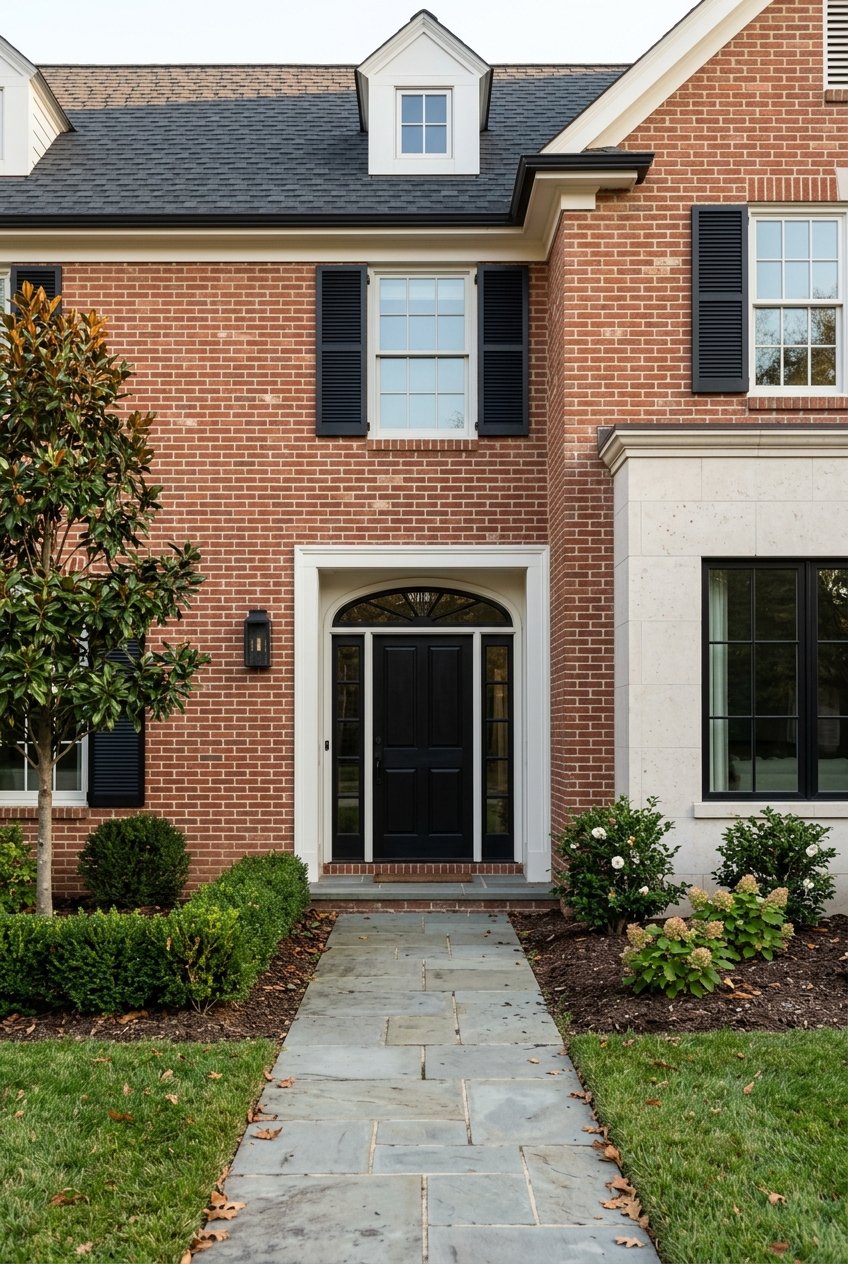
In newer Fairburn areas, you may also see more traditional two-story houses. Fairburn’s planning materials use visual examples that include larger brick two-story homes and mid-sized homes with garages and driveways, which reflects the broader range of newer suburban housing in the city.
These homes usually read less as historic architecture and more as part of a coordinated neighborhood pattern. Their curb appeal often comes from proportion, brick or siding choices, entry design, and lot layout rather than handcrafted historic detailing.
Some newer Fairburn homes borrow from older Craftsman traditions without being true early-20th-century bungalows. You might notice front porches, gabled rooflines, or proportions that nod to historic homes, but with newer materials, updated floor plans, and a more standardized subdivision setting.
This is where the label new Craftsman or traditional Craftsman-inspired can be helpful. Fairburn’s own planning materials note community interest in both traditional and new Craftsman styles, so this language fits the local conversation.
Understanding style is not just about curb appeal. It can shape how you compare homes, talk about value, and market a property effectively.
If you are buying, style can help you narrow your search. A historic cottage near downtown may offer a different living experience than a newer two-story home south of I-85, even if the price points are similar. Knowing the difference helps you focus on the home that fits your priorities.
If you are selling, accurate style language can help buyers understand what makes your property stand out. A house described as a Craftsman bungalow, a folk Victorian cottage, or a newer traditional home gives buyers a clearer picture before they ever step inside. That kind of clarity supports stronger marketing and better expectations.
When you are trying to put a name to a home style, start with the basics. Focus on form first, then details, then setting.
Ask yourself:
You do not need to force every home into a perfect label. In Fairburn, some of the most honest descriptions are also the simplest: cottage, bungalow, ranch, vernacular, or traditional two-story. Those terms can be more useful than overcomplicating a home’s identity.
One of the most interesting things about Fairburn is that its homes tell a story about growth over time. The historic core shows older patterns of development, including cottages, bungalows, folk Victorian details, and practical vernacular homes. The city’s outer residential areas reflect more recent suburban growth, where lot size, layout, and neighborhood form shape the look of housing.
That mix gives buyers and sellers real variety. It also means local knowledge matters. When you understand the differences between historic and newer Fairburn homes, you can make better decisions about pricing, marketing, updates, and long-term fit.
Whether you are comparing a porch-front cottage near downtown or a newer home in a more suburban setting, knowing the local architectural language helps you see the property more clearly. If you want expert guidance on buying or selling in Fairburn with a broker-led, neighborhood-first approach, connect with The Maxwell Haus Residential Agency.
Stay up to date on the latest real estate trends.
Blending strategic expertise with a passion for community impact, this team delivers more than just transactions. With a focus on education, innovation, and equity, clients are empowered to build wealth, make informed decisions, and thrive in every stage of their real estate journey.
Love my Website Design? Want one of your Own?