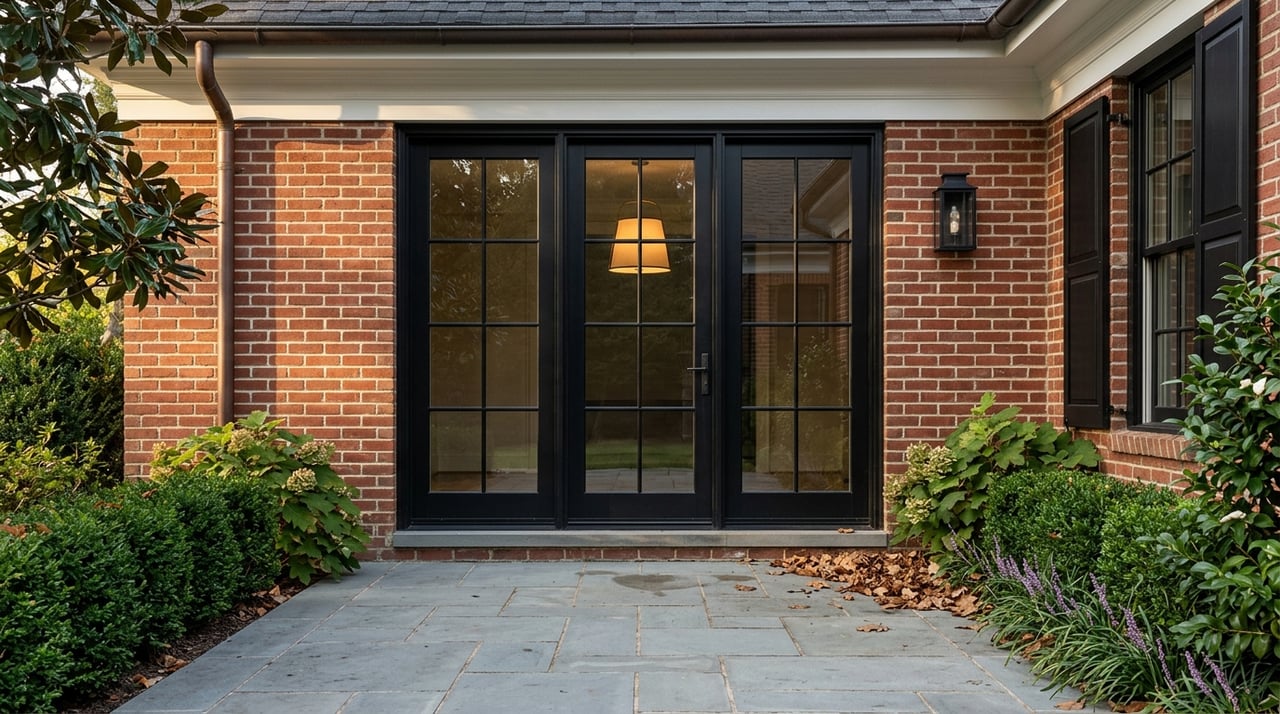
Move-Up Buying in South Fulton: Sell and Buy Smarter
April 16, 2026
April 16, 2026
If you’re trying to move up in South Fulton, you’re not just buying your next home. You’re also trying to time a sale, protect your equity, and keep two major transactions from colliding. That can feel like a lot, especially when the market is not moving at the same speed in every part of the city. The good news is that with the right plan, you can reduce surprises, make smarter contract decisions, and move with more confidence. Let’s dive in.
For move-up buyers, timing is usually the biggest challenge. You may need the money from your current home to fund your down payment and closing costs on the next one, but you also do not want to feel rushed into a purchase.
In South Fulton, recent public market data suggests a buyer-leaning to moderately competitive market, not a classic fast seller’s market. Realtor.com’s local market data reported a median 58 days on market and 977 homes for sale, while the same area has also been described elsewhere as closer to 77 median days on market with homes selling about 2% below list price on average. The safest takeaway is that many homes are taking roughly two to three months to sell, with results varying by price point, condition, and location.
That matters because move-up planning in South Fulton often requires patience and coordination, not guesswork. A well-prepared home may still move faster, but you should not assume your sale and purchase will line up perfectly on their own.
Inventory is not spread evenly across the city. Zip-level Realtor.com data for South Fulton shows larger for-sale counts in 30213, 30331, and 30349, which means your experience can differ depending on where you live and where you want to buy.
For some homeowners, nearby Fairburn may also be part of the move-up search. Redfin’s Fairburn market page reported 92 median days on market in February 2026 and described the area as somewhat competitive, with some homes receiving multiple offers. A City of Fairburn housing analysis also noted projected demand for move-up townhomes and detached homes through 2028.
In many cases, selling first is the more practical route. The Consumer Financial Protection Bureau notes that homeowners who want to move normally try to sell their current home before buying another one.
That approach can help you understand how much equity you actually have available, what your new payment range looks like, and how much cash you can bring to the next closing. It can also lower the risk of carrying two housing payments at once.
Still, selling first is not the only option. The right sequence depends on your savings, your available equity, your financing, and your comfort level with temporary housing or overlap between homes.
Selling first may be the better fit if:
This route can also help in a market where buyers may have more choices. If your current home takes longer to sell than expected, your entire plan can shift unless you build in enough time.
Buying first may work if you have enough savings or available equity to handle the next purchase before your current home closes. But this option comes with more financial risk, and lenders will still review your full financial picture closely.
The CFPB explains that lenders may request additional documents during underwriting and expect quick responses. It also notes that large bank deposits may need to be documented, and funds for closing typically must come by cashier’s check or wire transfer, not cash. That means your financing strategy needs to be clean, documented, and organized well before closing.
One of the biggest mistakes move-up buyers make is assuming both closings will happen on the same day. In reality, Georgia Consumer Ed guidance says existing-home contracts typically set closing about 30 to 90 days out.
That window is helpful because it gives you a realistic planning range. It also shows why your sale, purchase, lender deadlines, inspection periods, and moving schedule all need to work together.
A simple move-up timeline often looks like this:
Your move-up budget is not just about your next mortgage. You also need to account for the costs of exiting one home and entering another.
According to Freddie Mac’s breakdown of seller costs, seller closing costs often include real estate commissions of about 3% to 8% of the sale price plus fees and taxes of about 2% to 4%. Many sellers also spend money before listing on cleaning, painting, landscaping, repairs, or staging.
In a buyer-leaning market, presentation matters even more. If buyers have options, the homes that are clean, well-prepared, and priced strategically often have the best chance to stand out.
On the purchase side, the CFPB says closing costs typically run about 2% to 5% of the purchase price, not including your down payment. You should also plan for moving costs, utility transfers, storage, and any short-term overlap between homes.
For move-up buyers, contingencies can create breathing room. They do not remove risk completely, but they can help protect you if financing, inspection results, or timing issues change the deal.
The CFPB’s homebuying guidance recommends making a purchase offer contingent on financing and a satisfactory inspection. Georgia consumer guidance also says buyers should ask for a home inspection contingency so they can walk away if the inspection finds problems they do not want to fix.
A home-sale contingency can be especially important if your current home is not yet under contract or has not closed. The National Association of Realtors consumer guide on contingencies explains that sellers who accept a home-sale or home-close contingency may continue showing the property, and a kick-out clause can allow them to move on if a stronger non-contingent offer appears.
In South Fulton, this type of contingency may be more workable than it would be in a much hotter market because recent data points to a buyer-friendlier environment. That said, some homes still get multiple offers, especially if they are well-priced and in strong condition, so a seller may still prefer a cleaner deal.
Contingencies work best when the deadlines are specific. NAR notes that contingency terms should be written with clear timelines and that either party may cancel without penalty if the contingency is not met in good faith.
For you, that means your offer should clearly spell out:
If your sale closes before your next home is ready, a rent-back agreement may help you avoid an immediate move. NAR explains that sellers may request to remain in the home after closing for a negotiated period, with terms covering rent, move-out date, and other details.
This can be useful if your buyer is flexible and your next closing is close behind. It can also help you avoid the cost and disruption of moving twice.
A rent-back is not automatically better than temporary housing. It simply depends on the numbers, the contract terms, and how much certainty you have around your next closing.
Even strong buyers can hit delays if documents are incomplete or funds are hard to trace. The CFPB says lenders may ask for more paperwork during the process, and quick responses matter.
If you are considering using equity from your current home before it sells, a HELOC can be one possible tool because it allows repeated borrowing against available equity. But your home serves as collateral, and falling behind could put the property at risk. That makes budget discipline essential.
You should also compare mortgage options carefully. The CFPB says shopping around matters, and some lenders may want a minimum credit score of 620 unless you have a larger down payment. A move-up purchase is smoother when your financing plan is realistic from the start.
When you are juggling a sale and a purchase, it helps to know which professional handles each piece. Georgia Consumer Ed’s real estate guide explains that buyer’s agents represent the buyer, seller’s agents represent the seller, mortgage brokers match borrowers with lenders, appraisers determine value, and home inspectors look for major issues before a buyer commits.
The same guide also notes that sellers typically pay the agent fees. For move-up buyers, having clear communication across all parties can help reduce timing mistakes and last-minute surprises.
As closing gets closer, details matter. Georgia closing guidance says the final walk-through helps confirm the property is still in the agreed condition, prorated property taxes and utilities are settled at closing, and the buyer receives the keys after signing.
You should also stay alert for fraud. The CFPB warns that mortgage closing scams often target buyers in the final days before closing, so wire instructions should be confirmed with trusted professionals by phone or in person, not only by email.
If you are moving up in South Fulton, your best strategy is usually the one that protects both your equity and your flexibility. In a market where homes may take a few months to sell and inventory varies by area, preparation matters just as much as timing.
A strong plan usually includes a realistic pricing strategy, a clear estimate of sale and purchase costs, contract terms that match your risk tolerance, and a backup plan if the two closings do not line up perfectly. That kind of preparation can help you move with less stress and make decisions that support your long-term goals.
If you want a broker-led strategy for selling your current home and planning your next purchase in South Fulton, connect with The Maxwell Haus Residential Agency. You’ll get local guidance built around education, timing, and a plan that fits your next step.
Stay up to date on the latest real estate trends.







Blending strategic expertise with a passion for community impact, this team delivers more than just transactions. With a focus on education, innovation, and equity, clients are empowered to build wealth, make informed decisions, and thrive in every stage of their real estate journey.
Love my Website Design? Want one of your Own?