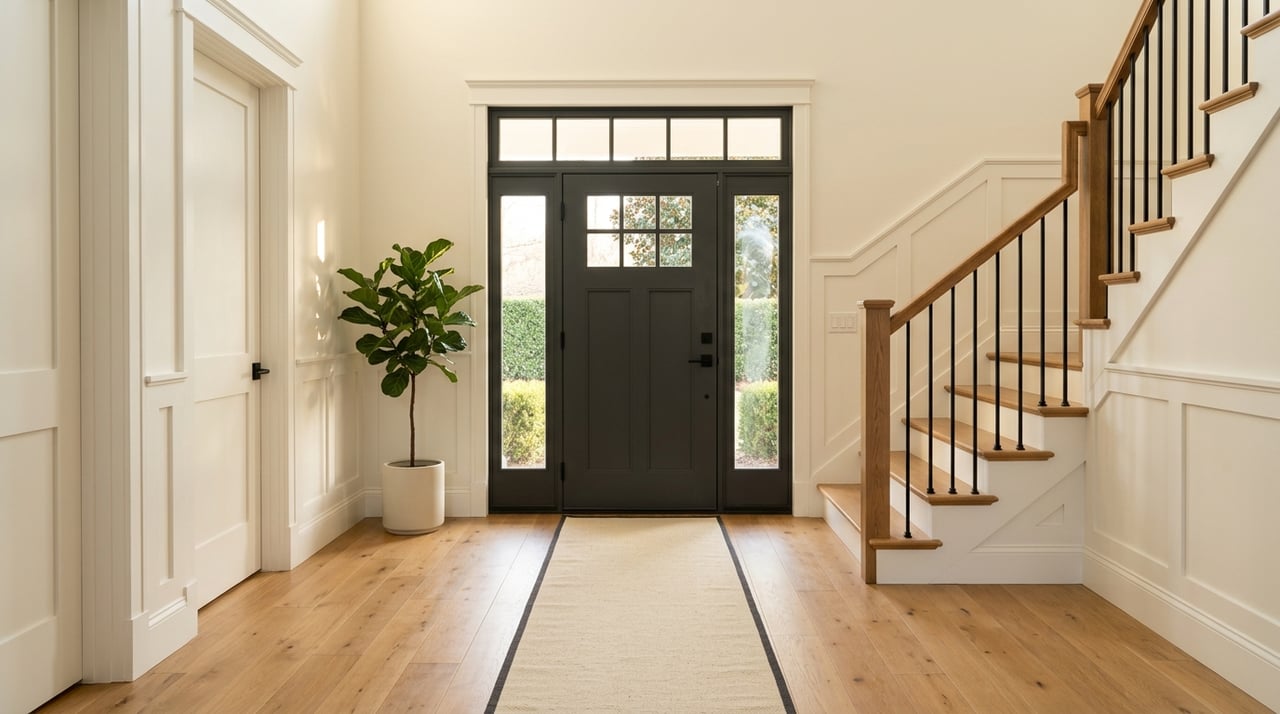
What to Know About Fairburn New Construction Communities
May 28, 2026
May 28, 2026
Thinking about buying brand-new in Fairburn? A fresh build can be exciting, but in a growing community, the smartest buyers look beyond the model home and ask bigger questions about the builder, the contract, the neighborhood plan, and the real monthly cost. If you want to buy with more confidence and fewer surprises, here’s what to know before you sign. Let’s dive in.
When you buy in a new-construction community, you are not just choosing a home. You are also buying into a development plan, a builder process, and a neighborhood that may still be taking shape. That makes your research a little different from a typical resale purchase.
In Fairburn, the Planning and Zoning Department oversees building permits and inspections, land-use planning, concept plans, plat review coordination, zoning matters, and development-related approvals. The city also provides tools like its 2040 Comprehensive Plan, Future Land Use Map, GIS property map, pending zoning and development cases, zoning verification process, and planning calendar. For you, that means it is worth checking what is already approved nearby and what may still change over time.
A beautiful kitchen and a good layout matter, but they are only part of the picture. In a Fairburn new-construction community, nearby land may be fully planned, under review, or still open to future changes based on city processes. That can affect traffic patterns, adjacent uses, and the feel of the area as the community matures.
Before you move forward, ask what phases are complete, what phases are still planned, and what surrounding parcels are zoned for today. You should also review any pending zoning or development activity the city has posted. That step can help you understand not just the home you are buying, but the neighborhood you are stepping into.
Builder due diligence is one of the most important parts of a new-construction purchase. In Georgia, the State Licensing Board for Residential and Commercial General Contractors regulates residential and commercial general contractors, and the Secretary of State provides a license lookup. Fairburn also requires licensing-related documentation through its local permit process, which makes both state and local checks practical.
Georgia consumer guidance recommends that you verify local licensing, ask for references from similar projects, get written estimates, insist on a written contract, confirm start and completion dates, ask for proof of insurance, and avoid making final payment until work is complete and satisfactory. Even if the home is part of a larger community, those basics still matter.
When you compare builders, focus on how they perform, communicate, and stand behind the work. Helpful questions include:
Georgia’s Attorney General also flags warning signs that should make you pause. Be careful if someone pressures you for an immediate decision, asks for full payment up front, only accepts cash, or expects you to secure permits yourself.
New-construction contracts can feel very different from resale contracts. In many cases, the builder’s paperwork is designed around the builder’s process and timeline. That is why you should slow down and make sure you understand deadlines, deposit terms, change-order rules, and what happens if the closing date shifts.
Representation matters here too. Consumer guidance notes that an agent may represent the buyer, the seller, or both, and Georgia brokerage rules define agency relationships through a written engagement. If you visit an onsite sales office, confirm in writing who the salesperson represents, and if you want exclusive representation, use your own buyer’s agent.
Builder deposits can be substantial, and the rules around refunds are not always simple. Consumer guidance recommends asking when any builder deposit can be returned. You should know exactly what conditions make a deposit refundable, partially refundable, or nonrefundable before you sign.
This is one area where many buyers get confused. A builder warranty is not the same thing as a home warranty or service contract. They may sound similar, but they serve different purposes.
Georgia rules require a licensed residential contractor to offer a written warranty for each covered contract to build or manage construction of a single-family residence when the work exceeds $2,500. The warranty must identify covered work, exclusions, standards for evaluating the work, the warranty term, claim procedures, response options, and any assignable manufacturer warranties. It also must be attached to the contract or otherwise made available for review before the contract is signed.
For many newly built homes, builder warranties generally cover workmanship and materials for the first year, major systems like HVAC, plumbing, and electrical for about two years, and sometimes major structural defects for up to ten years. The exact terms depend on the builder and the warranty documents, so the details matter more than the headline promise.
Before you sign, review these items carefully:
A strong warranty is not just about length. It is about clarity, process, and realistic response standards.
If a construction defect shows up later, Georgia has a process that affects how disputes move forward. Under Georgia’s Right to Repair Act, a homeowner must give the responsible contractor at least 90 days written notice before suing over a construction defect. The contractor then has 30 days to respond and may propose an inspection or settlement.
If an inspection is proposed, the homeowner must provide access within 30 days. If the contractor makes a repair or settlement offer, the homeowner generally has 30 days to accept. For you, the practical lesson is simple: keep records, know your warranty procedures, and follow the required steps if problems arise.
One of the biggest mistakes buyers make is focusing only on the mortgage payment. Your true monthly housing cost can include principal, interest, property taxes, mortgage insurance, homeowner’s insurance, flood insurance, and HOA fees. Some of these costs can also rise over time.
In many new-construction communities, HOA dues are part of the picture from day one. Those dues are usually paid separately from your mortgage servicer, and missed payments can lead to collection activity and even foreclosure. That makes HOA costs and rules a serious part of your buying decision, not an afterthought.
When you budget for a Fairburn new build, remember to include:
This bigger-picture budget helps you buy for long-term comfort, not just initial approval.
In a planned community, HOA rules can shape day-to-day ownership. The Georgia Attorney General notes that homeowner associations are private organizations and are not subject to the state Open Records Act or Open Meetings Act. In practical terms, that means you usually need to get governing documents directly from the HOA or builder.
Fairburn also posts a City of Fairburn Code HOA Manual along with planning and development resources. That is a reminder that city rules and HOA rules may both affect what you can do with the property. If you are assuming you can add a fence, change an exterior feature, park certain vehicles, or use amenities in a certain way, review the documents before you close.
Buying new construction does not mean you have to use the builder’s preferred lender. Consumer guidance says you can shop multiple lenders, get preapproval, and compare your options. That step can help you understand your true price range and whether incentives from an affiliated lender actually outweigh other loan choices.
For many buyers, loan options may include FHA financing with as little as 3.5% down or conventional financing with as little as 3% down, depending on qualification. State or local assistance may also be available. What matters most is choosing financing that fits your budget, timeline, and long-term goals.
Ask these questions before you commit:
New construction usually takes more patience than buying an existing home. New-home purchases may involve blueprint buying and construction timelines averaging about eight months, while fully custom homes can take much longer. In Fairburn, local permit and plat-review processes can also influence the path to closing.
That means your timeline should include some flexibility. Ask what stage the home is in now, what milestones remain, and how the builder handles weather delays, supply issues, inspections, and final walkthrough items.
A new home is still a major purchase, and new does not automatically mean perfect. Consumer guidance recommends making offers contingent on financing and a satisfactory inspection when possible. You also have the right to ask about flood and disaster risks before making an offer.
Independent representation can also make a difference. In a builder community, having your own buyer’s agent gives you someone focused on your interests, your deadlines, and your questions from contract to closing. That kind of guidance can be especially valuable if you are a first-time buyer trying to compare incentives, timelines, and contract terms.
The best way to buy into a Fairburn new-construction community is to stay curious, organized, and clear-eyed. Look at the home, but also look at the builder, the warranty, the land-use context, the HOA, the financing terms, and the total monthly cost. That is how you move from excitement to confidence.
If you want a broker-led, education-first partner to help you evaluate a Fairburn new build, compare your options, and protect your interests from first tour to closing, connect with The Maxwell Haus Residential Agency. We’re here to help you make a move that supports your goals today and your long-term wealth-building plans tomorrow.
Stay up to date on the latest real estate trends.


Blending strategic expertise with a passion for community impact, this team delivers more than just transactions. With a focus on education, innovation, and equity, clients are empowered to build wealth, make informed decisions, and thrive in every stage of their real estate journey.
Love my Website Design? Want one of your Own?