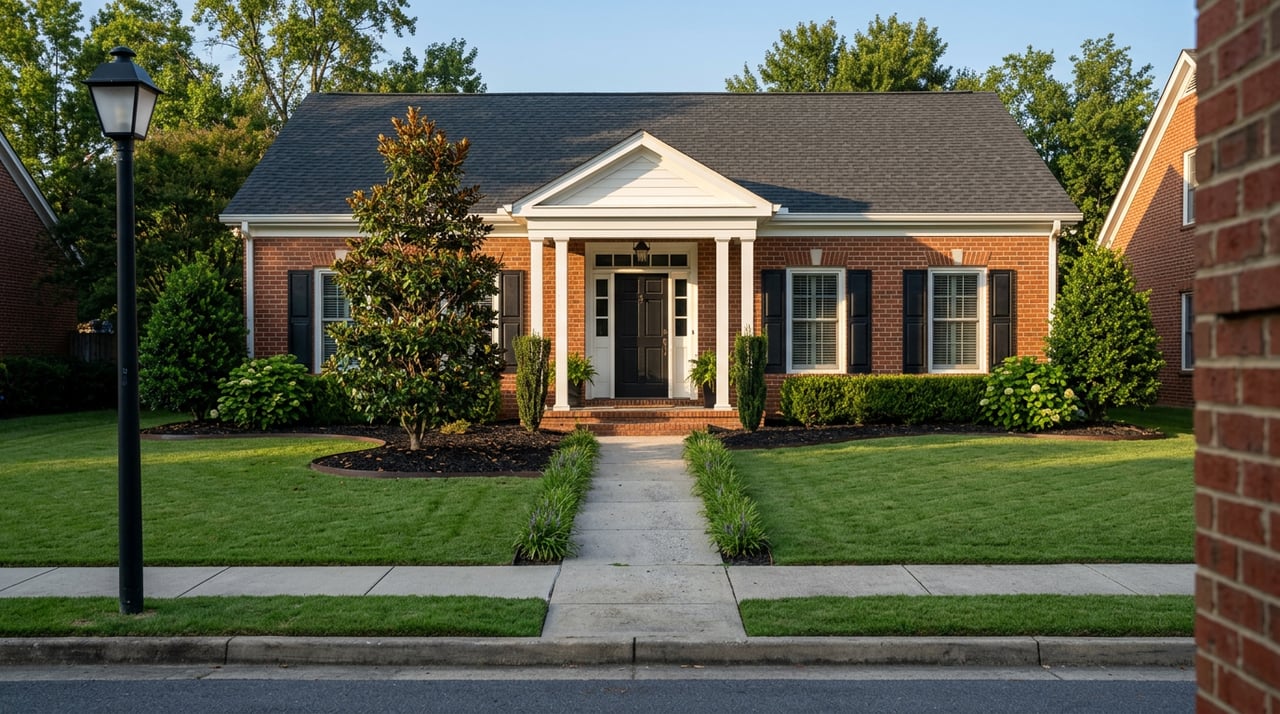
South Fulton HOA Rules and Covenants Buyers Should Review
March 5, 2026
March 5, 2026
Thinking about a South Fulton home in a neighborhood with an HOA? Before you fall for the curb appeal, make sure you understand the rules that run with the property and how they affect your budget, daily life, and resale plans. If you get the documents early and know what red flags to watch for, you can buy with confidence and avoid costly surprises. In this guide, you will learn how Georgia’s HOA laws work, what common covenants cover, how liens and resale certificates affect closings, and the must-have checklist to review before you commit. Let’s dive in.
When you buy in a South Fulton subdivision with an HOA, you agree to a recorded Declaration of Covenants, Conditions and Restrictions (CC&Rs). These covenants bind current and future owners. Many associations also adopt Georgia’s Property Owners’ Association Act (POAA), which sets default powers and recordkeeping rules for associations in addition to the community’s own documents. You can see the statutory baseline for association powers and records in O.C.G.A. §44-3-231, which outlines budgets, assessments, and corporate controls for POAA communities. Review the statute on association powers and records.
Not every community opts into the POAA. Some rely on common-law covenants plus corporate law instead. That choice affects how the HOA can collect assessments and enforce rules. Always confirm in the resale documents whether the community is a POAA association or not.
Most single-family CC&Rs in Metro Atlanta address a similar set of topics. Expect to see:
In many South Fulton neighborhoods, you must obtain written approval from the Architectural Control Committee (ACC) or board before changing exterior paint, adding a fence, or building a shed. Plan your project timeline around the review window noted in the guidelines. A reasonable planning target is 30 to 60 days for complete applications, depending on meeting schedules.
Street parking limits, commercial vehicle rules, and RV storage guidelines are common. Pet sections typically address leashes, waste, and nuisance issues. Leasing rules may include rental caps or minimum lease terms. Read these closely, since they affect both your day-to-day life and future leasing options.
If the community has a pool, clubhouse, or gate, the rules will cover access, guest limits, and any deposits for keys or fobs. Understand when amenities are open, what your dues fund, and how violations may impact your access.
HOA dues usually fund common-area landscaping, entrance maintenance, streetlights where controlled by the HOA, pool and clubhouse operations, management fees, insurance for common elements, utilities for common areas, reserves, and administrative costs. These details appear in the annual budget that the association must maintain under Georgia law for POAA communities. You can see those baseline recordkeeping duties in O.C.G.A. §44-3-231.
Reserve funding matters. A low reserve balance increases the risk of a special assessment when major repairs are due. Ask for the reserve study if one exists, and scan board meeting minutes for talk of big projects or upcoming repairs.
Under Georgia law, sums lawfully assessed by an association can become a lien against the property. The lien can include late charges, interest up to 10 percent per year, collection costs, and reasonable attorney fees if the governing documents authorize them. For judicial foreclosure of that lien, Georgia sets a threshold. The amount due must meet or exceed 2,000 dollars, and the lien lapses if the association does not enforce it within four years of the due date. These rules are detailed in O.C.G.A. §44-3-232.
Why this affects your closing: lenders and closing attorneys will ask the HOA for a current written statement of amounts due, sometimes called an estoppel or resale certificate. The statute requires the association to provide that written statement upon request. If the association fails to deliver the statement in the time required by law and a buyer or lender relies on that failure, the lien can be extinguished as to that buyer or lender. This is one reason buyers should insist on a current statement before closing. Read the Georgia lien and estoppel rules.
Most management companies package this document with the CC&Rs, bylaws, rules, budget, and financials for a fee. Fees often fall in the low hundreds, but verify the current amount and who pays it in your contract.
Georgia provides baseline meeting, notice, and record rules for POAA associations. Associations must hold at least one annual meeting of members and keep minutes and accurate financial records. Owners have rights to notice and certain procedures before fines or suspensions take effect. See O.C.G.A. §44-3-230 for meetings and notice, and O.C.G.A. §44-3-223 for compliance and penalties.
In practical terms, that means you should receive written notice of alleged violations and a fair opportunity to be heard before fines accrue or amenity privileges are suspended. Owners generally cannot be denied access to their homes. Suspensions typically relate to amenities, not entry to your property.
Georgia updated parts of its HOA enforcement framework with House Bill 220 (Act 388), effective July 1, 2024. The act clarified that associations may seek injunctions and refined notice, voting-right suspension, and annual-meeting requirements. You can review the bill history and summary on LegiScan’s HB 220 page.
As of March 3, 2026, lawmakers have proposed additional bills that would limit foreclosure for unpaid HOA fees and allow owners to vote to dissolve an HOA. Those bills were in committee at that time and not yet law. Stay informed by watching local coverage, such as this report on proposed HOA foreclosure limits and dissolution votes.
Ask the seller and listing agent to request these items as soon as you go under contract. Reviewing them during due diligence protects you and your lender.
Pro tip: verify recorded CC&Rs and amendments through the Georgia Superior Court Clerks’ Cooperative Authority search tools. The GSCCCA provides statewide indexing for plats, covenants, and liens. Access GSCCCA’s recorded document search.
Well-run HOAs with healthy reserves and clear rules can support resale values. Lenders often review association finances, delinquency rates, reserve levels, and litigation exposure. If the community shows financial strain or legal risk, some lenders may hesitate, or they may ask for more documentation. Ask your lender early about any association-specific requirements so you have time to gather documents.
A thoughtful review of the covenants and financials helps you choose the right South Fulton neighborhood and protects your long-term plans. If you want a local partner to help you order and interpret the documents, compare communities, and negotiate the right protections, connect with The Maxwell Haus Residential Agency for broker-led guidance tailored to South Fulton.
Stay up to date on the latest real estate trends.






Blending strategic expertise with a passion for community impact, this team delivers more than just transactions. With a focus on education, innovation, and equity, clients are empowered to build wealth, make informed decisions, and thrive in every stage of their real estate journey.
Love my Website Design? Want one of your Own?